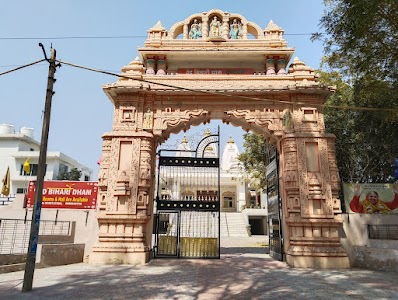
Spiritual sanctuary – Nandani Gowlok Dham is understood to be a spiritual and religious establishment, likely dedicated to the reverence of cows (Gau Seva) and possibly Lord Krishna, reflecting traditional Hindu beliefs. It serves as a sacred space for devotees.
Why people come here
Devotion and peace – Many visitors come here for spiritual solace, to offer prayers, participate in devotional activities, and experience a sense of peace. It's also a place for those who wish to support cow protection and welfare initiatives.
What to expect
Calm environment – Here, you can generally expect a serene and devotional atmosphere. The environment is typically calm, suitable for quiet contemplation and spiritual engagement. You might encounter devotees engaged in prayer or service.
Spiritual or cultural significance
Cow reverence – This Dham holds significance due to the deep reverence for cows (Gaumata) in Hindu culture, often associated with prosperity and divinity. It's a place where the spiritual importance of cows is honored and upheld, potentially linking to the divine abode of Lord Krishna (Gau Lok).
Visitor etiquette
Respectful conduct – When visiting, it is generally expected to dress modestly, maintain a respectful demeanor, and observe silence in designated areas. Photography rules may vary, so it's good to be mindful of local customs and any posted signs.
Practical info
Timings and amenities – This Dham is generally accessible during daylight hours, and a visit typically ranges from 30 minutes to an hour. You can usually find basic amenities like parking areas and washrooms on site. Early mornings or late evenings are often considered ideal for visits, especially if you wish to participate in prayers or experience a quieter atmosphere. Accessibility is generally straightforward via local roads.
Good to know
Community involvement – Many such Dhams are involved in community welfare and cow protection programs. There might be opportunities for visitors to contribute to these efforts or learn more about their initiatives.