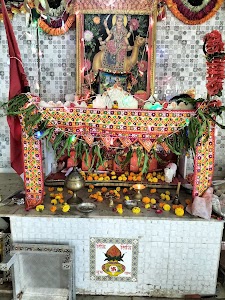
Pilgrimage Village – Saldi is a tranquil village located in Gujarat, India, primarily recognized for its deep spiritual significance to the Jain community. It serves as a revered pilgrimage destination, centered around an ancient and prominent Jain temple.
Why people come here
Spiritual Journey – Many people visit Saldi to embark on a spiritual journey, seeking blessings and solace at its sacred Jain temple. It is a place for devotees to engage in prayer, meditation, and traditional religious practices in a devout atmosphere.
What to expect
Peaceful Devotion – Here, I expect you'll find a calm and reverent environment. The focus is on spiritual reflection and observing religious customs. The overall experience is generally peaceful and well-suited for those looking for a quiet spiritual retreat and an insight into Jain traditions.
Spiritual or cultural significance
Jain Heritage – Saldi holds profound spiritual importance, largely due to the presence of the Shri Shankheshwar Parshwanath Jain Tirth . This ancient temple is dedicated to Lord Parshwanath, the 23rd Tirthankara, and is considered a highly sacred site within Jainism. Its long history contributes significantly to Jain pilgrimage and cultural heritage.
Best time to go
Cooler Months – The most comfortable time to visit Saldi is typically during the cooler, drier months, generally from October to March. During this period, the weather is more pleasant for temple visits and exploring the surrounding area.
Visitor etiquette
Respectful Attire – When visiting the temple, I recommend dressing modestly, ensuring your shoulders and knees are covered as a sign of respect. It is customary to remove your footwear before entering the main temple complex. Maintaining a quiet demeanor and avoiding loud conversations is also appreciated.
Practical info
Temple Access – The main temple complex is generally accessible during daylight hours, though specific opening and closing times may vary. I advise checking locally upon arrival for the most current schedule. Basic facilities such as washrooms and drinking water are typically available for pilgrims and visitors.