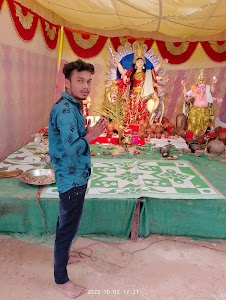
Hindu Temple – I've identified this as a Hindu temple primarily dedicated to Lord Jagannath, a form of Vishnu, often worshipped alongside his siblings Balabhadra and Subhadra. It serves as a sacred site for devotion and religious ceremonies.
Why people come here
Worship & Blessings – People typically visit this temple to offer prayers, seek blessings from Lord Jagannath, and participate in various religious rituals. It's a place for spiritual solace and community gathering.
What to expect
Serene Atmosphere – You can expect a peaceful and spiritual environment here. I find that these temples are often filled with the sounds of prayers and devotees performing their rituals, offering a glimpse into local religious practices.
Spiritual or cultural significance
Devotional Hub – This temple holds significant spiritual importance for devotees of Lord Jagannath. It acts as a local hub for traditional Hindu worship and cultural activities, embodying centuries-old beliefs and customs.
Visitor etiquette
Respectful Conduct – When visiting, I recommend dressing modestly and removing your footwear before entering the main shrine area, as is customary in most Hindu temples. Maintaining a respectful silence and observing local customs will enhance your experience. Photography rules may vary, so it's best to observe or inquire.
Practical info
General Access – Temple timings generally align with daylight hours, often opening early morning and closing after evening prayers, with a possible midday break. Access is typically open to all. Specific details regarding parking or accessibility might vary locally.
Good to know
Local Festivals – Many Jagannath temples are known for celebrating the annual Rath Yatra (Chariot Festival). While specific details for this location aren't certain, it's possible this temple also observes local festivals with great devotion, drawing larger crowds during those times.