
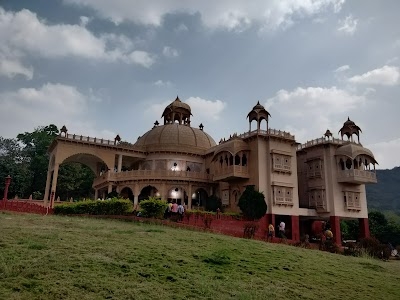



Nand Palace
What is this place?
Historical Ruin – Nand Palace is the historical remnant of what was once a significant structure, believed to be part of the ancient capital of the Rashtrakuta dynasty. It stands as a testament to the region's rich past in Malkhed .Historical Background
Ancient Capital – I understand that Malkhed , historically known as Manyakheta, served as the capital of the powerful Rashtrakuta Empire from the 9th to the 11th centuries. Nand Palace is considered a relic from this era, offering glimpses into the architectural style and grandeur of that period.Why People Come Here
History & Architecture – People primarily visit Nand Palace to connect with the historical legacy of the Rashtrakutas and appreciate the surviving architectural elements. It's a destination for history enthusiasts and those interested in ancient Indian dynasties.What to Expect
Quiet Exploration – You can expect to find a site with scattered ruins and foundations, rather than a fully intact palace. It offers a quiet, reflective atmosphere for exploring historical remains and imagining its past glory. The setting is generally peaceful, suitable for a calm visit.Key Highlights
Architectural Fragments – While not a grand standing structure, I find that the key highlights often include remnants of walls, foundations, and carved stone fragments that hint at the original design. These pieces provide valuable insights into Rashtrakuta architecture.Best Time to Go
Cooler Months – I suggest visiting during the cooler months, typically from October to March, to avoid the intense heat of the region. Mornings and late afternoons are generally more comfortable for exploration.Practical Info
Open Access – As a historical ruin, access is usually open during daylight hours. I recommend wearing comfortable shoes as you'll likely be walking on uneven ground. There are typically no formal entry fees, but facilities might be limited.Good to Know
Local Significance – Nand Palace is an important part of Malkhed's heritage. While not as grand as some other palaces, its historical context as part of the Rashtrakuta capital makes it a significant site for understanding regional history.