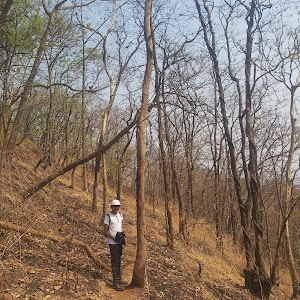
Hill Fort – This is Manikdurg Fort, an ancient hill fort located amidst the natural landscapes of Mandki Kh. It stands as a testament to historical architecture and strategic importance in the region.
Historical background
Ancient Structure – My records indicate that Manikdurg Fort has roots dating back centuries, often associated with the Bahmani Sultanate and later regional powers like the Nizam Shahi dynasty and the Marathas. Its strategic position suggests it played a role in historical defense.
Why people come here
Exploration & Views – Visitors typically come here to explore the historical ruins, enjoy trekking through the surrounding natural terrain, and capture panoramic views from its elevated position. It's a place for history enthusiasts and nature lovers alike.
Key highlights
Fort Features – As you explore, you'll find remnants of the fort's past, including sections of its walls, gateways, and possibly ancient water cisterns or small temple ruins within its perimeter. The natural setting surrounding the fort is also a significant highlight.
What to expect
Quiet Exploration – Here, you can expect a relatively quiet and rugged experience. The atmosphere is generally peaceful, with fewer crowds compared to more commercialized sites. The journey to the top involves a moderate trek, offering a blend of historical discovery and natural beauty.
Best time to go
Cooler Months – The best time to visit Manikdurg Fort is generally during the post-monsoon season (around October to February) when the weather is cooler and the surrounding landscape is lush and green. Avoiding the peak summer months is advisable due to heat.
How much time to spend
Half-Day Trip – I estimate that a visit to Manikdurg Fort, including the ascent, exploration of the ruins, and descent, typically takes around 3 to 5 hours. This allows for a comfortable pace to soak in the history and views.
Practical info
Preparation – Since this is a historical site in a natural setting, I recommend wearing comfortable trekking shoes and carrying sufficient water and snacks. Facilities at the site are generally minimal, so it's best to be self-sufficient.