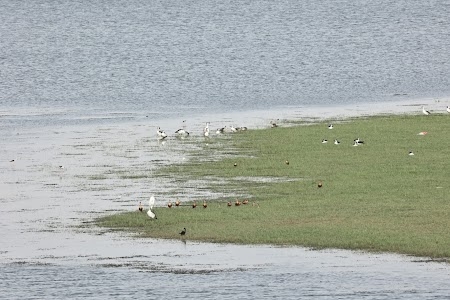
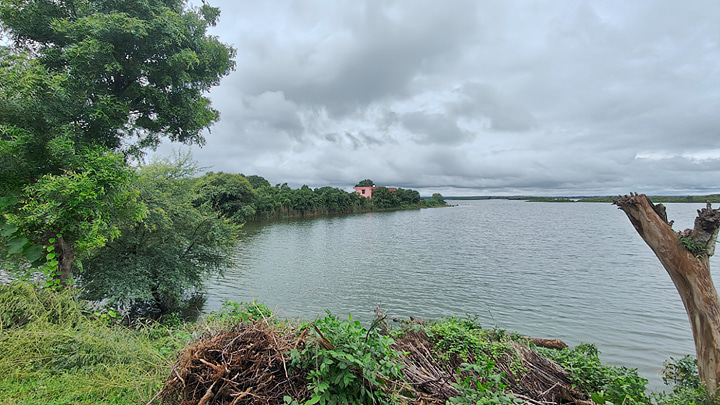
Wildlife Sanctuary – I see Ramsagar Wild Life Sanctuary as a protected area in Rajasthan , primarily established for the conservation of its diverse flora and fauna. It's centered around the Ramsagar Lake , which is a significant wetland habitat.
Why people come here
Nature & Wildlife – People typically visit here to experience nature and observe wildlife in its natural setting. It's a popular spot for birdwatching, especially during the migratory season, and for those interested in seeing various animal species native to the region.
What to expect
Tranquil & Natural – You can expect a peaceful and natural environment. The sanctuary is generally less crowded than some other wildlife parks, offering a more serene experience. The landscape features dense forests, open grasslands, and the lake itself, providing diverse habitats. It suits nature enthusiasts, photographers, and anyone looking for a quiet escape into the wilderness.
Best time to go
Winter Months – The best time to visit is generally during the cooler months, from October to March. This period is ideal for wildlife spotting as animals are more active, and migratory birds flock to the lake. The weather is also more comfortable for exploring.
Practical info
Daylight Hours – The sanctuary is typically open during daylight hours. I recommend checking local timings before your visit, as they can vary. A visit usually takes a few hours, depending on your interest in wildlife observation. Accessibility is generally manageable, but the terrain can be uneven in some areas.
What to do here
Birdwatching & Safari – Here, you can engage in activities like birdwatching, with many species of resident and migratory birds to spot around Ramsagar Lake . Wildlife safaris or jeep rides are often available for exploring deeper into the sanctuary to see animals like deer, wild boars, and various reptiles. Nature walks are also popular for experiencing the flora up close.
Safety and preparedness
Observe & Respect – It's wise to carry sufficient water and snacks, as facilities within the sanctuary can be limited. Wear comfortable walking shoes and appropriate clothing for the weather. Always maintain a safe distance from wildlife and follow the instructions of sanctuary guides or staff. Respecting the natural habitat by not littering and keeping noise levels down is crucial.