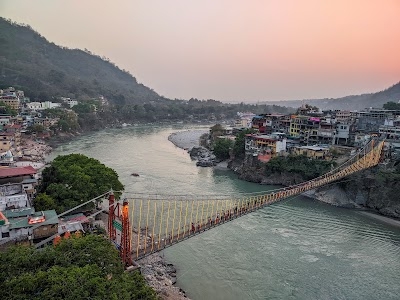
Suspension Bridge – This is an iconic iron suspension bridge spanning the sacred Ganges River in Rishikesh . It connects the two banks of the town and is a prominent landmark, known for its scenic views and spiritual significance.
Why people come here
Views & Crossing – Many people visit Lakshman Jhula to experience walking across this historic bridge, which offers breathtaking panoramic views of the Ganges River , surrounding temples, and the Himalayan foothills. It also serves as a pedestrian link to explore the ashrams and markets on both sides.
What to expect
Vibrant Atmosphere – Expect a bustling environment with a mix of pilgrims, tourists, and locals. The bridge can be quite crowded, especially during peak hours. You'll encounter vendors, sadhus, and sometimes even monkeys. The experience includes swaying gently as you walk across and taking in the spiritual ambiance of Rishikesh .
Best time to go
Cooler Months – The cooler months from October to March are generally considered the best time to visit, offering pleasant weather for walking and sightseeing. Early mornings or late evenings are often less crowded and provide beautiful light for photography.
Practical info
Pedestrian Access – While primarily for pedestrians, two-wheelers also use the bridge, so it's advisable to be mindful of traffic. There are no specific entry fees for crossing the bridge. Be cautious of monkeys, as they can sometimes snatch belongings.
Good to know
Legendary Connection – According to local legends, Lord Lakshman crossed the Ganga at this spot using jute ropes, which eventually led to the construction of the original bridge. The current iron bridge was built in 1929 after the earlier structure was washed away in a flood. It stands close to its counterpart, Ram Jhula , which is another significant suspension bridge in Rishikesh .