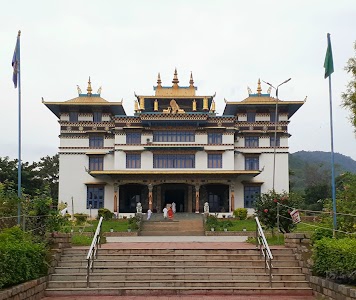
Tibetan Monastery – I see this as a significant Tibetan Buddhist monastery, also known as the Padmasambhava Mahavihara. It's a vibrant center for Buddhist culture and learning in the region.
Why people come here
Spiritual Retreat – Many visitors come here seeking spiritual solace, to witness the unique Tibetan Buddhist rituals, or to simply admire the peaceful ambiance and intricate architecture. It's also a place for cultural exchange and understanding.
What to expect
Serene Atmosphere – You can expect a serene and spiritual atmosphere, often filled with the sound of chanting and prayer flags fluttering. The monastery typically draws a mix of devotees, tourists, and students.
Spiritual or cultural significance
Buddhist Heritage – This monastery holds immense spiritual and cultural significance as one of the largest Buddhist monasteries in Eastern India. It serves as a home for Tibetan refugees and a center for the preservation of Tibetan Buddhism, art, and culture. The main temple houses a towering statue of Lord Buddha.
Visitor etiquette
Respectful Conduct – I recommend dressing modestly, covering your shoulders and knees. Photography is generally allowed in most areas, but always be respectful and ask for permission before taking close-up shots of monks or during ceremonies. Maintain a quiet demeanor, especially inside the prayer halls.
Best time to go
Cooler Months – The cooler months, from October to March, are generally the most pleasant time to visit, as the weather is mild and comfortable for exploring.
Practical info
Accessible Location – The monastery is located in Jirang , easily accessible by road. There is typically ample parking available. While there are no strict opening and closing times, it's best to visit during daylight hours.