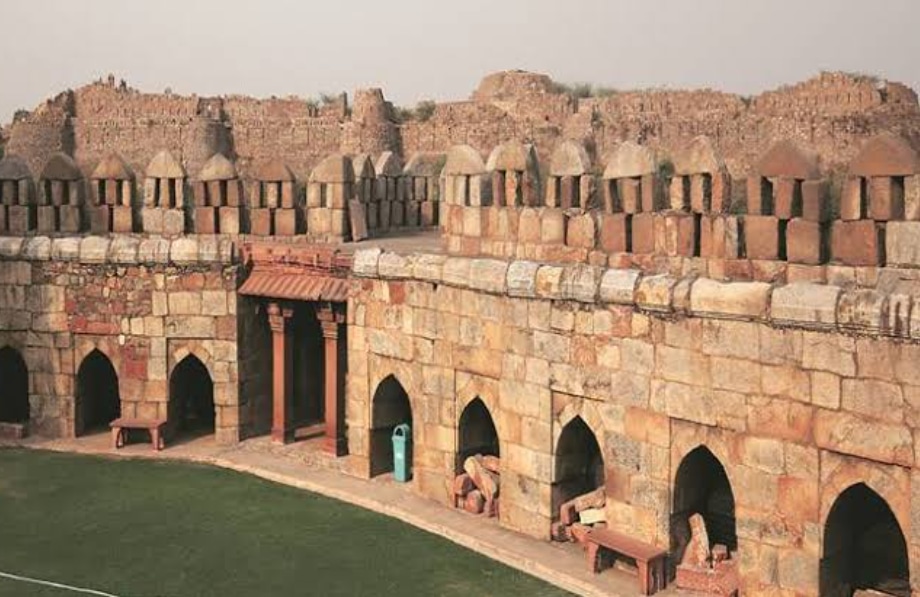
Ancient Fortress – I see Tughlakabad Fort as the remains of a once-grand fortified city, established by Ghiyas-ud-din Tughlaq, the founder of the Tughlaq dynasty, in the 14th century. It stands as a testament to Delhi's rich and complex past, showcasing impressive but largely ruined architecture.
Historical background
Dynastic Origin – This fort was built between 1321 and 1325 AD, intended to be the capital city of the Tughlaq dynasty. Its construction was marked by ambition and legend, including a famous curse. Despite its formidable design, the city was eventually abandoned, leaving behind a sprawling, evocative ruin.
Key highlights
Massive Walls – I find the colossal stone fortifications, some reaching up to 15 meters in height, to be particularly striking. They stretch for several kilometers, giving a sense of the city's original scale and defensive strength.
Ghiyas-ud-din Tughlaq's Mausoleum – Just outside the fort walls, I note the tomb of the founder, Ghiyas-ud-din Tughlaq, connected by a causeway. This red sandstone and white marble structure is a significant architectural marvel within the complex.
Citadel Ruins – The highest point of the fort once housed the royal palace and private residences. While largely in ruins, I can still discern the layout of what was once a powerful administrative and residential hub.
What to expect
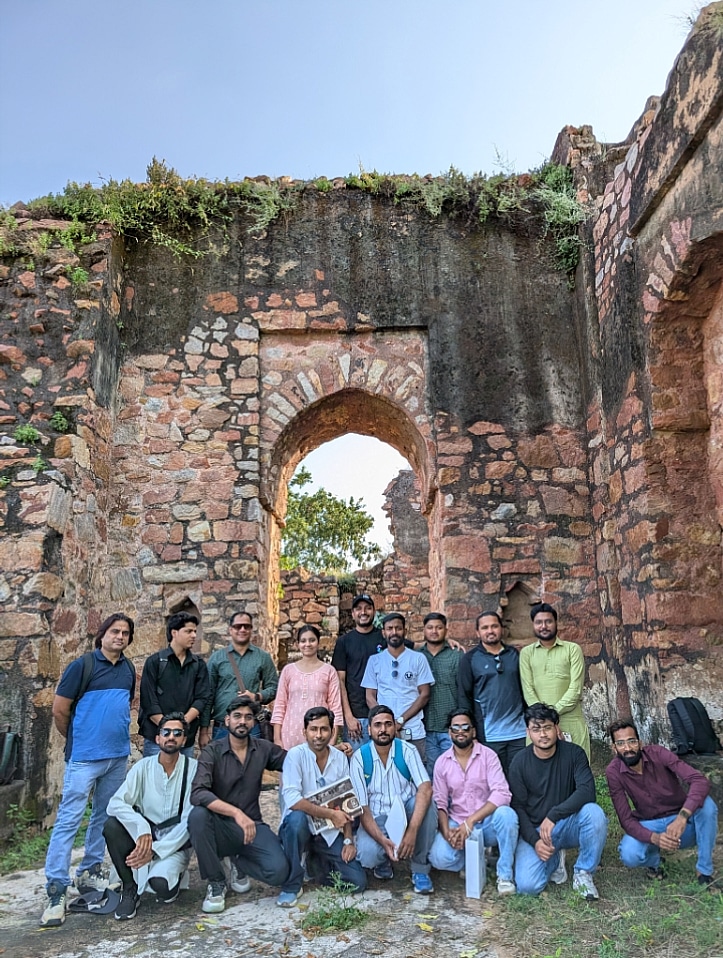
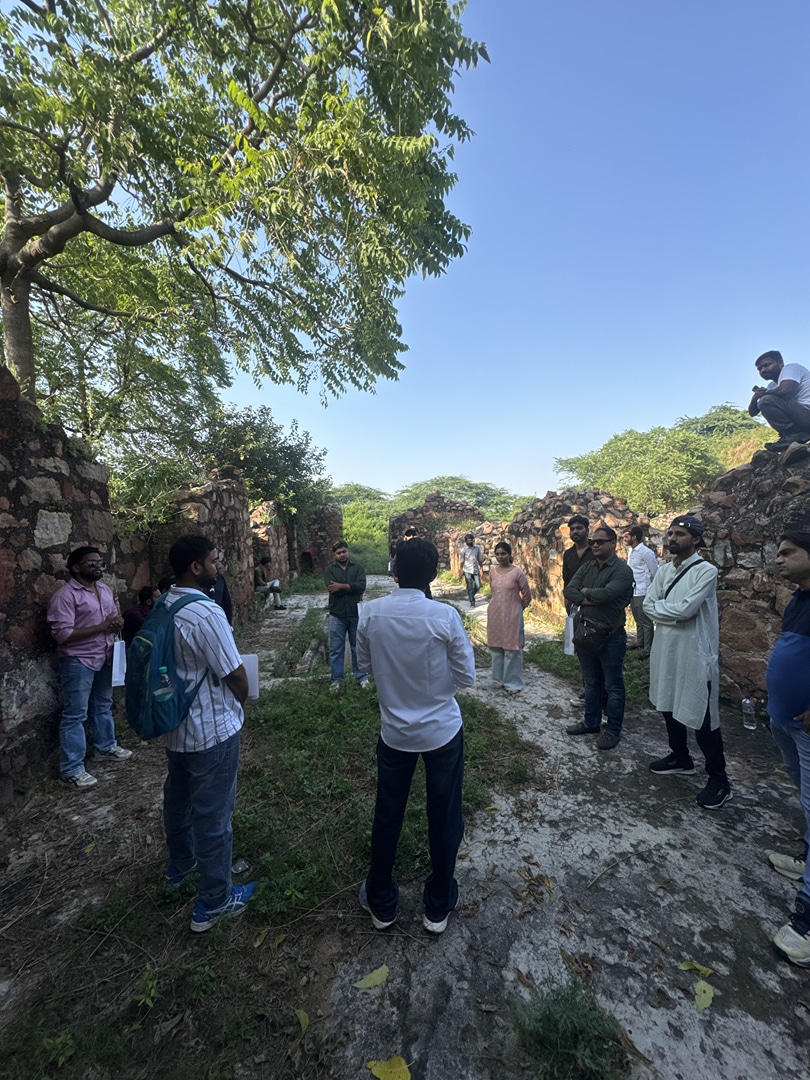
Sprawling Ruins – I anticipate a vast, rugged landscape dominated by crumbling walls, bastions, and remnants of buildings. It's a place that evokes a strong sense of history and solitude. You'll likely encounter relatively few crowds, allowing for a peaceful exploration.
Why people come here
Historical Exploration – People typically visit to immerse themselves in Delhi's medieval history and explore the remnants of a powerful empire. It's a popular spot for history enthusiasts, photographers, and those seeking a quiet, reflective experience amidst ancient ruins.
Best time to go
Cooler Months – I suggest visiting during the cooler, drier months, generally from October to March. The weather is much more pleasant for exploring the extensive grounds. Early mornings are often ideal for avoiding the midday heat and enjoying a more serene atmosphere.
Practical info
Extensive Walking – I want you to know that exploring the fort requires a significant amount of walking over uneven terrain. Comfortable shoes are essential. While some paths exist, much of the site is natural and unpaved. Accessibility for those with mobility challenges may be limited in certain areas.
Good to know
Legendary Curse – I find it interesting that local lore attributes the fort's abandonment to a curse by the Sufi saint Nizamuddin Auliya . The legend states, "Ya rahe ujjar, ya base gujjar" (Either it remains deserted, or be inhabited by herdsmen), which many believe came true.