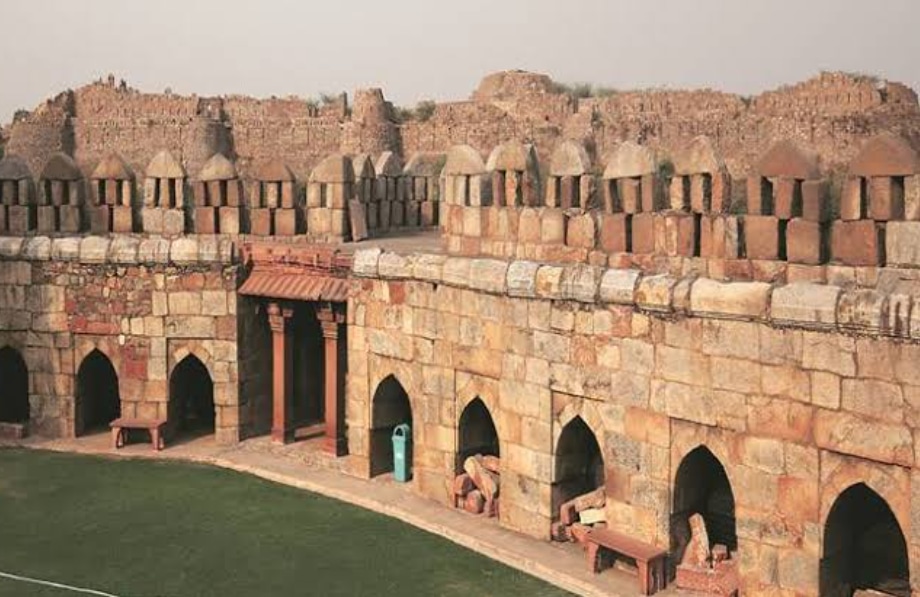
Ancient Fortress – This is the sprawling and formidable ruined city and fortress of Tughlakabad Fort , an impressive testament to Delhi's rich historical past. I see it as a silent sentinel, guarding tales of a bygone era.
Historical background
Dynasty's Dawn – I find that Tughlakabad Fort was constructed in 1321 AD by Ghiyas-ud-din Tughlaq, the founder of the Tughlaq dynasty. It was intended to be a grand and impregnable capital city, but legend says it was abandoned shortly after its completion due to a Sufi saint's curse.
Why people come here
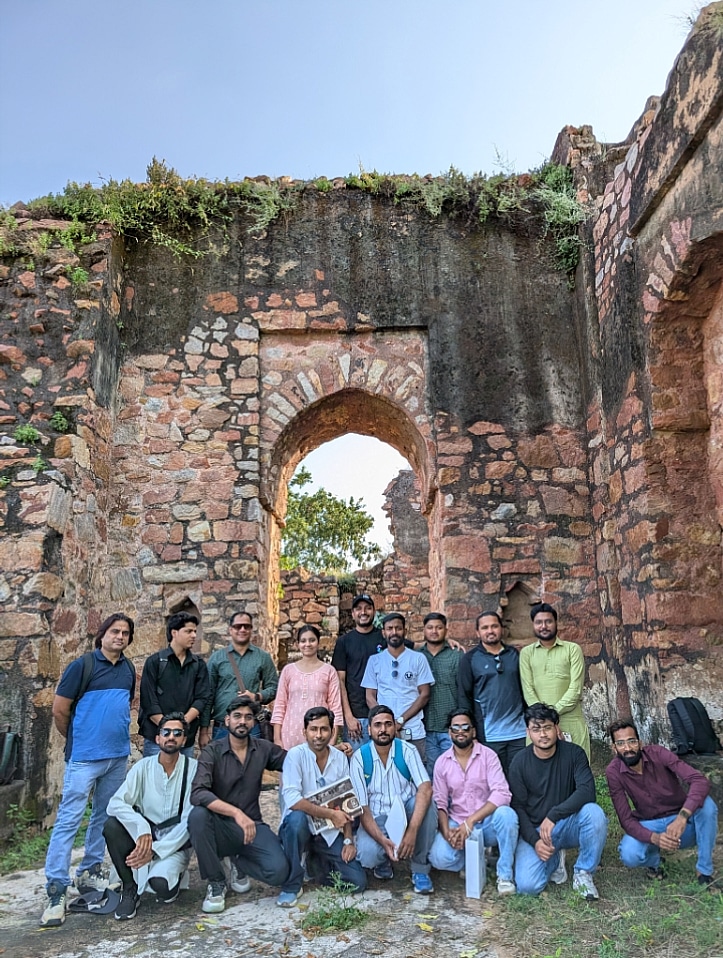
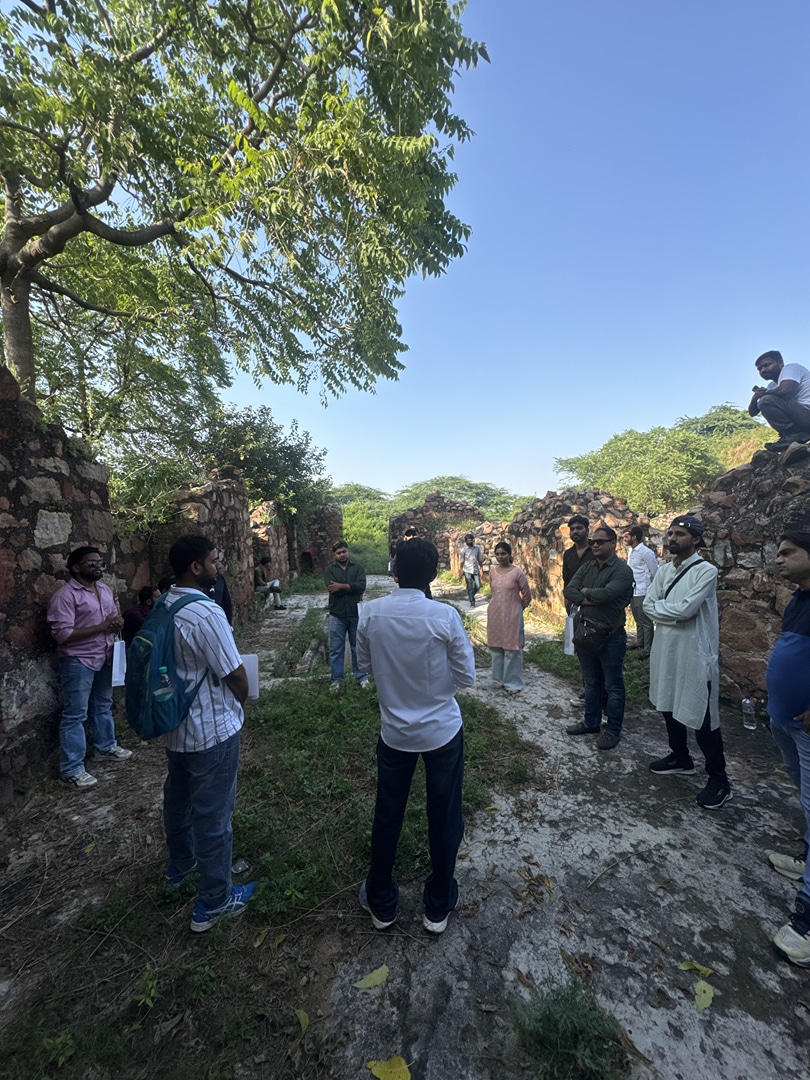
History & Exploration – Visitors typically come to Tughlakabad Fort to immerse themselves in its vast historical ruins and explore the architectural grandeur of a medieval city. It's a popular spot for history enthusiasts, photographers, and those seeking a quieter historical experience away from the busier monuments.
Key highlights
Massive Walls & Mausoleum – As you wander, I suggest looking out for the fort's colossal stone ramparts, which once boasted 13 gates. A significant highlight is the adjacent Mausoleum of Ghiyas-ud-din Tughlaq , a striking red sandstone and white marble structure housing the tomb of the founder and his family. The fort also features various ruined structures, including palaces, mosques, and residential areas.
What to expect
Sprawling Ruins – Expect a vast, somewhat desolate landscape of formidable stone ruins, offering panoramic views of the surrounding area. The atmosphere is generally quiet and reflective, with fewer crowds compared to other major Delhi attractions. Be prepared for extensive walking on uneven terrain.
Best time to go
Cooler Months – I recommend visiting Tughlakabad Fort during the cooler months, typically from October to March, to avoid the intense heat of summer. Early mornings or late afternoons are ideal for comfortable exploration and photography, especially to catch the soft light.
Practical info
Entry & Duration – The fort generally has an entry fee, which can vary for Indian and foreign nationals. I find that it usually opens from sunrise to sunset. To fully explore the main fort and the mausoleum, I suggest allocating 2 to 3 hours. Wear comfortable walking shoes, as the site involves considerable walking over uneven surfaces. Accessibility might be challenging for those with mobility issues due to the rugged terrain.
Good to know
The Curse Legend – A fascinating legend associated with the fort is the curse by Sufi saint Nizamuddin Auliya, who prophesied that "Ya rahe ujjar, ya base gujjar" (either it remains deserted, or be inhabited by Gujjars). True to the legend, the fort was abandoned and later, a Gujjar community settled in its vicinity. This adds a layer of mystical intrigue to your visit.