Jail Road, Nangal Village, Delhi Cantonment, New Delhi, Delhi, India
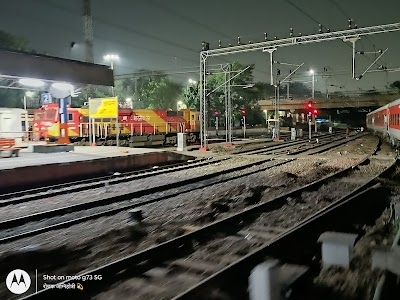
Delhi Cantt Railway Station
Explurge-Ins
55
Ratings (10.9K)
4.1
Distance
-
Delhi Cantt Railway Station
What is this place?
Transit Hub – I see Delhi Cantt Railway Station as a key railway station serving the Delhi Cantonment area and its surrounding localities. It primarily functions as a transit point, connecting this part of the city to various destinations across India.
Why people come here
Travel & Commute – People typically come here for train travel, whether it's for daily commuting within the National Capital Region or for longer journeys to other cities. It offers a convenient alternative to the busier main terminals of Delhi.
What to expect
Functional Atmosphere – You can generally expect a more subdued and less chaotic environment compared to major railway hubs like New Delhi Railway Station or Old Delhi Railway Station . It's a functional station, primarily focused on facilitating train movements and passenger services.
Main services available
Essential Facilities – At Delhi Cantt, I've noted that you'll find essential railway services. This includes ticketing counters, waiting rooms, and multiple platforms for boarding and alighting trains. There are usually basic food and beverage stalls available for passengers.
Tips for a smoother experience
Plan Ahead – To ensure a smooth journey, I always recommend checking your train's schedule and platform number in advance. Arriving a little early can help you navigate the station comfortably, especially during peak hours. Keep your tickets and identification ready.
Practical info
Accessible Location – The station is operational 24/7, aligning with train schedules. It's well-connected by local transport options, making it accessible from different parts of Delhi. The duration of your stay here will, of course, depend on your train's arrival and departure times.
Good to know
Strategic Location – This station is particularly convenient for those residing in or visiting the Delhi Cantonment area and southwestern parts of Delhi, as it helps bypass the heavier traffic and larger crowds often found at the city's bigger railway stations.