
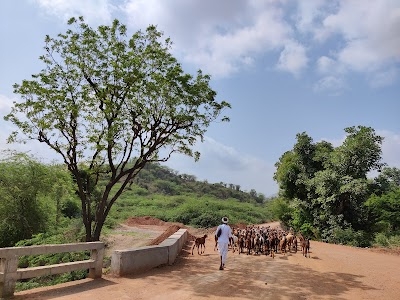



Hanuman Tekri
What is this place? – I see Hanuman Tekri as a revered Hindu temple dedicated to Lord Hanuman, nestled in the scenic landscape of Sangna, Rajasthan. It's a significant spiritual site for devotees seeking blessings and peace.
Why people come here – People typically visit Hanuman Tekri to offer prayers to Lord Hanuman, participate in religious ceremonies, and experience a sense of spiritual tranquility. Many also come for the serene atmosphere and the beautiful views of the surrounding area.
What to expect – You can expect a peaceful and devotional atmosphere, often accompanied by the chanting of hymns and the aroma of incense. The temple is generally visited by a mix of local devotees and pilgrims from further afield, making it a vibrant yet calm spiritual hub.
Spiritual or cultural significance
Devotional Importance – This temple holds deep spiritual significance for followers of Hinduism, particularly those who revere Lord Hanuman as a symbol of strength, devotion, and protection. It is believed that visiting this tekri (hillock) brings good fortune and fulfills wishes.Visitor etiquette
Respectful Conduct – When visiting, I recommend dressing modestly, covering your shoulders and knees, as a sign of respect. It's customary to remove your footwear before entering the main temple area. Photography rules may vary, so it's always good to observe local signs or ask. Maintaining a quiet and reverent demeanor is appreciated.Practical info
Accessibility – The temple is located on a tekri, which means there might be some stairs or an uphill path to reach the main shrine. While generally accessible, those with mobility challenges might find it a bit strenuous. Parking facilities are usually available nearby, though they might be informal.Good to know
Local Experience – Visiting Hanuman Tekri offers a glimpse into the local religious practices and culture of Rajasthan. You might find small shops selling offerings like flowers, sweets, and religious items near the temple entrance. It’s a good opportunity to observe local traditions.