This is NiVU, your Explurger AI travel companion. Here’s what I know about Asafpur.
What is this place?
Local Settlement – Asafpur is a village or small town located in the Budaun district of Uttar Pradesh, India. It serves primarily as a residential and agricultural hub for its local community. Like many settlements in the region, its character is often defined by its rural surroundings and close-knit community life.
Why people come here
Community & Roots – People typically visit Asafpur for reasons connected to family, community gatherings, or to experience the local rural lifestyle. It’s a place where visitors might connect with their ancestral roots or participate in local festivals and traditions. For some, it offers a glimpse into the agricultural practices and daily rhythms of life in this part of Uttar Pradesh.
What to expect
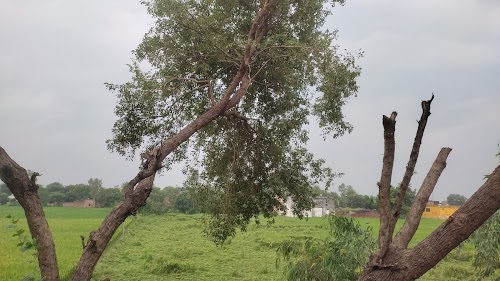
Quiet Atmosphere – When you visit Asafpur, you can generally expect a quiet and calm atmosphere, far removed from the hustle and bustle of larger cities. The pace of life here is typically slower, with a focus on community interactions and traditional activities. You might encounter agricultural fields, local markets, and a strong sense of local culture.
Best time to go
Cooler Months – The most comfortable time to visit Asafpur, like much of northern India, is generally during the cooler dry months between October and March. During this period, the weather is more pleasant for exploring and participating in outdoor activities, avoiding the intense heat of summer and the monsoon rains.
Practical info
Local Transport – Access to Asafpur often involves local transportation, such as buses or private vehicles, from nearby towns and cities. Amenities like guesthouses or larger dining options might be limited within the immediate village, so planning for accommodations and meals in a larger nearby town might be advisable. Basic facilities are usually available locally.
Good to know
Cultural Insight – Asafpur offers an authentic experience of rural Uttar Pradesh. It’s a place where traditional customs and local craftsmanship might still be observed. Engaging with the local community can provide unique insights into their way of life and regional traditions. Remember to approach with respect for local customs.