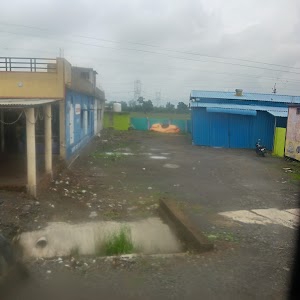
Rural Village – Amner is a village located in the Jalgaon district of Maharashtra, India. I see it as a reflection of traditional rural life in the region, characterized by its agricultural landscapes and local community. It serves as a residential area for its inhabitants, often surrounded by fields and natural elements typical of the Maharashtra countryside.
Why people come here
Local Experience – People typically come to Amner to experience authentic rural Indian life. It's a place where one can observe local farming practices, interact with the community, or simply enjoy a quieter pace away from urban centers. Visitors might also pass through for regional events or to connect with family and friends living in the area.
What to expect
Peaceful Atmosphere – I can tell you to expect a generally peaceful and unhurried atmosphere. The environment is predominantly rural, with agricultural fields dominating the landscape. You'll likely encounter local residents going about their daily routines. Crowd levels are usually low, offering a tranquil experience for those seeking a glimpse into village life. It generally suits those interested in cultural immersion or a quiet retreat.
Best time to go
Cooler Months – The best time to visit Amner is generally during the cooler, drier months, typically from October to March. During this period, the weather is more pleasant for exploring the outdoors and experiencing local life without the intensity of the summer heat or the heavy monsoon rains.
Practical info
Local Transportation – Access to Amner usually involves local transportation from nearby towns or cities. While specific timings and services can vary, I recommend planning your travel during daylight hours. It's a place where you might find basic amenities, so it's advisable to carry essentials. Respect for local customs and traditions is always appreciated.
Good to know
Agricultural Hub – Amner, like many villages in Maharashtra, often has a strong agricultural base. You might observe various crops being cultivated depending on the season, which plays a significant role in the local economy and lifestyle. It’s an opportunity to see traditional farming up close.