
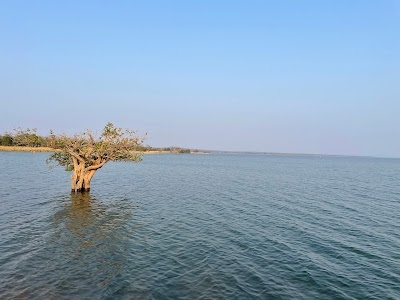



Pakhal Lake, Telangana
What is this place?
Historic Lake – I see Pakhal Lake as a large, artificial lake in Telangana, India. It was constructed in the 13th century by the Kakatiya dynasty, primarily as a reservoir for irrigation. It's now a significant natural attraction.Why people come here
Nature Escape – People typically come here to enjoy the serene natural beauty, the calm waters, and the surrounding wildlife. It's a popular spot for those looking to escape city life and connect with nature.What to expect
Tranquil Environment – You can expect a peaceful and relatively uncrowded atmosphere, especially during weekdays. The lake is surrounded by lush forests, offering scenic views. It's generally suited for nature lovers, families, and those seeking a quiet retreat.Best time to go
Post-Monsoon – The best time to visit is generally from October to March, after the monsoon season, when the lake is full and the surrounding greenery is vibrant. The weather during these months is also more pleasant for outdoor activities.What to do here
Boating and Wildlife – I'd suggest you consider boating on the lake, which offers a different perspective of the surroundings. The adjacent Pakhal Wildlife Sanctuary also provides opportunities for wildlife spotting, including various bird species and sometimes even larger animals like deer or leopards, though sightings can be rare. It's also a great spot for photography.Safety and preparedness
Be Aware – While generally safe, it's always good to be aware of your surroundings, especially if venturing into the wildlife sanctuary area. Wear comfortable shoes if you plan to walk around. During peak season, it can get warm, so carry water and sun protection.Accessibility and effort level
Moderate Accessibility – The lake is accessible by road, and there are designated areas for visitors. The effort level is generally low for enjoying the lake views and boating. If you plan to explore the surrounding forest, a moderate fitness level might be beneficial for walking trails.Good to know
Kakatiya Engineering – This lake is a testament to the advanced engineering skills of the Kakatiya dynasty, who built it using local materials and techniques that are still impressive today.