
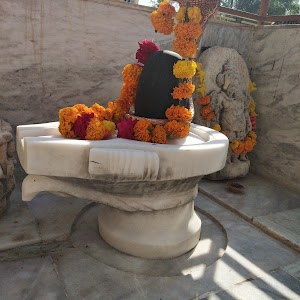



Juna Mahadev Temple
What is this place?
Ancient Shrine – This is a revered Hindu temple, primarily dedicated to Lord Shiva, also known as Mahadev. The name "Juna" often implies its historical or ancient origins, suggesting a long-standing presence in the local community. It serves as a significant spiritual landmark for devotees in Chhaniyana.Spiritual or cultural significance
Devotional Hub – For many, this temple is a central point for worship and spiritual reflection. Devotees visit to offer prayers, perform rituals, and seek the blessings of Lord Shiva. It plays an integral role in the cultural and religious life of the region, especially during Hindu festivals like Maha Shivaratri.Why people come here
Seeking Blessings – People primarily visit Juna Mahadev Temple for devotional purposes, to offer prayers, and to participate in religious ceremonies. Many come seeking peace, spiritual solace, and to connect with the divine. It's also a place for communal gathering during auspicious occasions.What to expect
Serene Atmosphere – You can generally expect a peaceful and devout atmosphere, especially during non-festival times. The temple typically sees a steady flow of local devotees. During festivals, it can become quite crowded and vibrant with special prayers and celebrations.Best time to go
Morning/Evening – The best times to visit are usually during the early mornings or evenings when prayers and aarti (light ceremonies) often take place. The cooler months are generally more comfortable for visiting. Expect larger crowds during major Hindu festivals.Practical info
General Timings – Temples generally open from early morning until evening, though specific timings can vary. It's customary to remove your footwear before entering the main temple premises. Photography might be restricted in certain areas, particularly within the inner sanctum.Visitor etiquette
Respectful Conduct – When visiting, it is advisable to dress modestly, covering shoulders and knees, as a sign of respect. Please maintain a peaceful demeanor and silence, especially within the prayer areas. Follow any local customs or instructions provided by temple authorities.