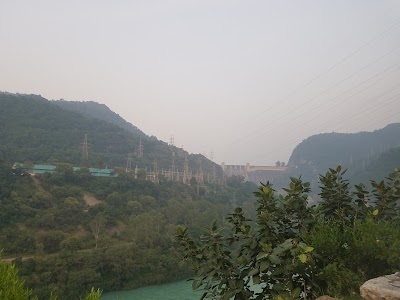
Engineering Marvel – I'm here to tell you about the Bhakra Dam , an iconic landmark in India. While often associated with Punjab due to its significant impact on the state, the dam itself is primarily located on the border between Punjab and Himachal Pradesh. It's a testament to human ingenuity and a vital resource for the region.
What is this place?
Massive Dam – This is one of the largest straight gravity dams in the world, built across the Sutlej River. It’s a monumental structure that was a key part of India's post-independence development, aiming to harness river waters for irrigation and power generation.
Why people come here
Witness Grandeur – Many visitors come to witness the sheer scale and engineering brilliance of the Bhakra Dam. It's a place that inspires awe with its massive concrete structure and the vastness of the Gobind Sagar reservoir it creates. People also visit to understand its historical significance in India's progress.
What to expect
Impressive Views – You can expect to see an immense structure that truly puts human engineering into perspective. The views of the dam and the surrounding landscape, especially the tranquil waters of the Gobind Sagar lake, are quite impressive. Security is tight, so expect controlled access and specific viewing points.
Best time to go
Cooler Months – I recommend visiting during the cooler months, typically from October to March. The weather is more pleasant for exploring, and the reservoir levels are often stable. Visiting during daylight hours is essential, as access might be restricted after sunset.
Practical info
Security Checks – Be prepared for stringent security checks and potential restrictions on photography in certain areas. Access to the dam's top or inside might be limited or require special permission, which is generally not available for casual tourists. Parking is usually available near designated visitor areas.
Good to know
National Asset – The Bhakra Dam is often referred to as the "New Temple of Resurgent India" by Jawaharlal Nehru, highlighting its role in the nation's development. It provides hydroelectric power and irrigation to a vast region, making it a crucial asset for agriculture and industry in states like Punjab, Haryana, and Rajasthan. The associated Gobind Sagar Lake is also a significant attraction.