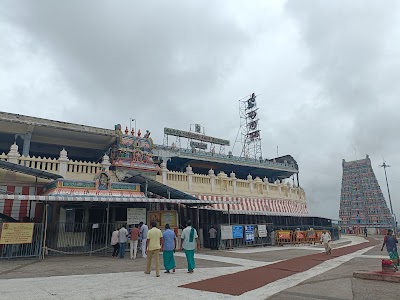
Pilgrimage Town – Thiruthani is a sacred pilgrimage town located in the Tiruvallur district of Tamil Nadu, India. It is primarily known as one of the six holy abodes (Arupadaiveedu) of Lord Muruga, making it a significant spiritual destination for devotees.
Why people come here
Spiritual Journey – People primarily visit Thiruthani for religious pilgrimage to the revered Arulmigu Subramaniya Swamy Temple. Devotees come to offer prayers, seek blessings, and fulfill vows to Lord Muruga, especially during auspicious occasions and festivals.
Spiritual or cultural significance
Lord Muruga's Abode – This town holds immense spiritual importance as the site where Lord Muruga, after defeating the demon Surapadman, is said to have rested and married Valli. The Arulmigu Subramaniya Swamy Temple , perched atop a hill, is one of the six Arupadaiveedu, representing a place of spiritual solace and divine power. It is believed that praying here brings peace and prosperity.
What to expect
Devotional Atmosphere – You can expect a deeply devotional and serene atmosphere, especially around the temple complex. The town can get quite crowded, particularly during festivals and holidays, with pilgrims performing rituals and offering prayers. The climb to the temple offers scenic views, but also requires some physical effort.
Best time to go
Cooler Months – The best time to visit Thiruthani is typically during the cooler months, from **October to March**. The weather is more pleasant for temple visits and climbing the steps. Festivals like **Aadi Krithigai** (July-August) and **Thai Poosam** (January-February) attract large crowds, offering a vibrant spiritual experience, but also higher footfall.
Practical info
Temple Timings & Access – The main temple generally opens early in the morning and closes late evening, with a midday break. You can reach the hill temple either by climbing a flight of steps (around 365 steps) or by a motorable road. There are facilities for shoe storage and basic amenities available near the temple. Always check local timings as they can vary.
Visitor etiquette
Respectful Conduct – When visiting the temple, I recommend dressing modestly, with traditional Indian attire often preferred, covering shoulders and knees. Photography inside the sanctum sanctorum is usually prohibited, and maintaining silence and reverence within the temple premises is expected.
Good to know
Holy Steps – Many devotees traditionally ascend the 365 steps to the temple, each step representing a day of the year, as an act of penance or devotion. The temple also has a unique tradition where instead of breaking coconuts, devotees offer **sandalwood paste** to the deity.