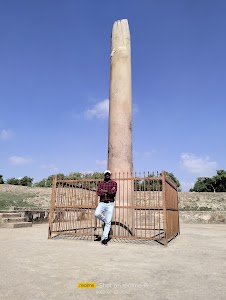
Kaushambi Ashoka Pillar
What is this place?
Ancient Relic – This is an ancient pillar, originally erected by Emperor Ashoka in the 3rd century BCE. It marks the historical site of
, once a thriving city and a significant center for Buddhism and Jainism.
Why people come here
Historical Connection – Many visitors come here to connect with ancient Indian history and explore the remnants of a powerful empire. It's a key spot for those interested in Emperor Ashoka's legacy and the spread of his edicts.
What to expect
Quiet Reflection – Here, you can expect a relatively quiet and contemplative archaeological site. The main shaft of the pillar is no longer here, but its original base and the surrounding excavated areas offer a glimpse into a bygone era. It's best suited for history enthusiasts and those seeking a peaceful historical exploration.
Historical background
Ashokan Edicts – The pillar was part of Emperor Ashoka's efforts to propagate Dhamma (righteousness) across his vast empire. It originally bore several of his edicts, including the important Schism Edict. The ancient city of itself has a rich history, mentioned in ancient texts as a capital of the Vatsa kingdom.
Key highlights
Pillar Base – The primary highlight is the remaining base of the Ashoka Pillar, which still stands at its original location. While the main shaft was moved, the base provides a tangible link to its ancient past. You can also observe the surrounding archaeological remains, hinting at the grandeur of ancient .
Practical info
Daylight Hours – The site is generally accessible during daylight hours. I recommend visiting during the cooler months, from October to March, to avoid the intense heat. The visit duration is typically 1 to 2 hours, allowing ample time for exploration and reflection.
Good to know
Pillar's Journey – It's interesting to note that the upper part of this pillar, including its famous lion capital and Ashokan edicts, was moved from to the by the Mughal emperor Jahangir. Today, the pillar at still bears both Ashokan and later inscriptions.