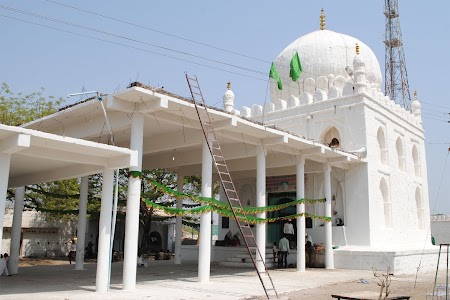
Sufi Shrine – This is a revered Sufi shrine dedicated to Hazrat Khwaja Ameenuddin Ali Aala, a prominent Sufi saint. It serves as a spiritual center and a place of pilgrimage for devotees.
Why people come here
Pilgrimage and Blessings – People primarily visit this Dargah to pay their respects to the saint, seek blessings, offer prayers, and find spiritual solace. Many come with specific wishes or to give thanks for prayers answered.
Spiritual or cultural significance
Sufi Heritage – The Dargah holds significant spiritual and cultural importance as a beacon of Sufi traditions and teachings in the region. It represents a living legacy of peace, devotion, and communal harmony, attracting followers from various backgrounds.
What to expect
Peaceful Atmosphere – I find that visitors can expect a serene and contemplative atmosphere. It's generally a place of quiet reflection, though it can become quite busy during special religious observances or festivals. The environment is one of devotion and respect.
Visitor etiquette
Respectful Conduct – When I visit, I observe that visitors are generally expected to dress modestly, covering their heads as a sign of respect, especially within the main shrine area. Photography might be restricted in certain sacred spaces, and maintaining silence or speaking softly is appreciated to preserve the sanctity of the place. Removing footwear before entering the shrine is customary.
Practical info
Accessibility – The Dargah is located on Jevargi Road, accessible by local transport. While specific opening hours can vary, religious sites like this typically welcome visitors from early morning until evening. I recommend planning your visit during daylight hours.
Good to know
Annual Urs – The Dargah is particularly vibrant during the annual Urs (death anniversary) of Hazrat Khwaja Ameenuddin Ali Aala. This event attracts a large number of devotees and features various spiritual programs and gatherings, offering a unique cultural experience.