
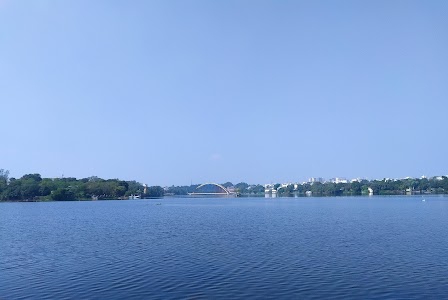



Title: Chota Talaab (Lower Lake), Bhopal
What is this place?
Urban Lake – This is Chota Talaab, commonly known as the Lower Lake, a prominent and historic water body nestled in the heart of Bhopal. I see it as a significant part of the city's famed twin lake system, complementing the larger Upper Lake, and serving as a vital urban oasis.Why people come here
Relaxation & Views – People typically visit Chota Talaab for its serene environment and picturesque views. It’s a popular spot for locals and visitors seeking a peaceful escape, a leisurely stroll, or simply to enjoy the natural beauty of the lake.What to expect
Calm Atmosphere – You can expect a generally calm atmosphere, especially during the mornings and late evenings. The lake offers open spaces along its banks for walking and sitting. Crowd levels can vary, with more activity during weekends and holidays.What to do here
- Boating – I find that boating is a popular activity, allowing you to experience the lake from the water. Various types of boats are usually available for hire, offering a different perspective of the surroundings.
- Strolls & Photography – Many enjoy taking leisurely walks along the lake's perimeter or simply sitting by the banks. The scenic backdrop makes it a great spot for photography, especially during sunrise or sunset.
Best time to go
Evenings & Cooler Months – The best time to experience Chota Talaab is often during the late afternoons and evenings, particularly around sunset, when the weather is pleasant and the views are most captivating. The cooler months, from October to March, are generally ideal for a visit.Practical info
Open Access – Access to the lake's banks is generally open to the public without an entry fee. While parking facilities are typically available nearby, they might be paid or limited during peak hours. Boating services usually have separate charges.Good to know
Historic Connection – Chota Talaab is historically significant and is connected to the Upper Lake (Bada Talaab) by a bridge, forming an integral part of Bhopal's identity. It's a key landmark that reflects the city's rich heritage and connection to water.