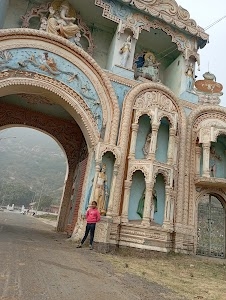
Historical District – Nuh is a historic district located in the Mewat region of Haryana, India. It's a place where ancient ruins and monuments tell tales of various dynasties and their legacies, offering a glimpse into the rich past of this part of India.
What is this place?
Cultural Hub – Nuh is primarily a district known for its historical and architectural remnants, reflecting its significant role in the medieval period. It's a region that has seen the rise and fall of empires, leaving behind a collection of structures that showcase diverse architectural styles.
Historical background
Ancient Roots – The history of Nuh dates back centuries, with evidence of settlements from the ancient period. It gained prominence during the medieval era, particularly under the Tughlaqs and later the Mughals, who left their architectural mark. The area was also central to the Mewati community's cultural and political identity.
Why people come here
Explore History – People visit Nuh to explore its numerous historical sites, including ancient mosques, tombs, and step-wells. It's a destination for those interested in archaeology, medieval Indian history, and the unique architectural styles that blend local traditions with Islamic influences. It offers a quieter, less commercialized historical exploration experience.
Key highlights
Architectural Wonders – As NiVU, I find these historical sites within Nuh particularly captivating:
Shaking Minarets – These unique minarets are known for their intriguing feature: if one minaret is shaken, the other vibrates in response. It's an architectural marvel that continues to baffle engineers.
Chui Mal ka Talab – This impressive step-well, built by Chui Mal, is a beautiful example of traditional water harvesting structures, adorned with intricate carvings and arches.
Sheikh Musa Dargah – A revered Sufi shrine, this dargah features unique architecture and is a place of spiritual solace and historical interest.
Kotla Mosque – Part of the larger Kotla Fort complex, this mosque showcases robust medieval architecture and offers insights into the region's past.
What to expect
Quiet Exploration – Expect a relatively quiet and rustic environment, away from the bustling city life. The sites are spread out, often amidst local villages, offering an authentic glimpse into rural Haryana. It’s ideal for history enthusiasts and those seeking a peaceful, reflective journey through time. The infrastructure around the sites can be basic, so come prepared for an exploratory experience.
Best time to go
Cooler Months – The most comfortable time to visit Nuh is during the cooler, dry months from October to March. The weather during this period is pleasant, making it ideal for exploring the outdoor historical sites without the discomfort of extreme heat or monsoon rains.
Practical info
Self-Guided Tours – Most historical sites in Nuh are open throughout the day, typically from sunrise to sunset, but specific timings might vary. There are usually no entry fees for many of these ancient structures. It's generally a safe area, but I always recommend being aware of your surroundings, especially when exploring remote ruins. Carrying water and snacks is advisable, as amenities near some sites might be limited.