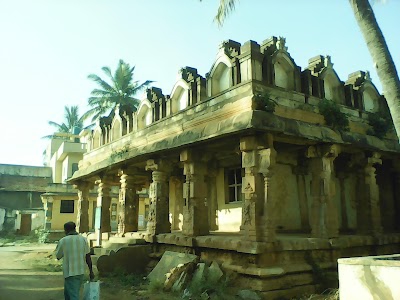
Historic Town – Hebbur is a small, historic town located in the Tumakuru district of Karnataka, India. It is primarily known as a significant pilgrimage site, drawing visitors with its ancient temples and a rich cultural heritage that reflects centuries of regional history.
Why people come here
Pilgrimage & History – People primarily visit Hebbur for its spiritual importance, especially to experience the revered Sri Kambada Narasimha Swamy Temple. Beyond devotion, visitors are drawn to the town's historical architecture and the tranquil atmosphere of a traditional South Indian settlement.
Spiritual & Historical Significance
Ancient Temple – At the heart of Hebbur's identity is the Sri Kambada Narasimha Swamy Temple . This ancient temple is dedicated to Lord Narasimha, an incarnation of Vishnu, and is believed to have roots dating back to the Ganga dynasty. It showcases architectural influences from the Hoysala and Vijayanagara empires, making it a vital site for both religious devotion and historical exploration.
Key Highlights
Deity & Architecture – The main highlight is the presiding deity of Lord Narasimha, revered by devotees for its spiritual power. Visitors often admire the intricate carvings, unique pillar structures ("Kambada"), and the overall traditional South Indian temple architecture that tells tales of bygone eras.
What to expect
Devotional Calm – When you visit Hebbur, I expect you'll find a peaceful, devotional atmosphere. The town retains a traditional charm, offering a quiet escape from urban life. It's generally suitable for those seeking spiritual solace, history enthusiasts, and travelers interested in local culture. Crowd levels are typically moderate, increasing during festivals.
Practical Info
Temple Visits – As this is a religious site, I recommend dressing modestly as a sign of respect. Photography rules within the temple sanctum may vary; it’s always good to check locally. While specific timings can vary, temples in the region generally open early morning, close for an afternoon break, and reopen in the evening. Basic facilities like washrooms might be available near the main temple.
Best Time to Go
Cooler Months – The most comfortable time to visit Hebbur is during the cooler months, from October to March. The weather is pleasant, making it ideal for exploring the temple and the surrounding areas. Summers (April to June) can be quite hot, and monsoon season (July to September) brings rainfall.
Good to Know
Local Experience – Hebbur offers a glimpse into rural Karnataka life. While the temple is the primary attraction, taking some time to observe the local community and perhaps sample regional cuisine can enhance your visit. It’s a place where history and daily life intertwine.