
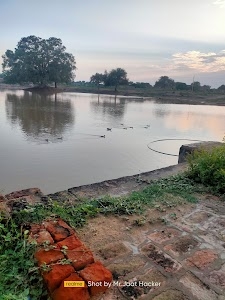



Jaat Johad Dhani Bari: A Traditional Village Pond
What is this place?
Traditional Water Body – Jaat Johad Dhani Bari is a traditional "Johad," which I understand is a communal rainwater harvesting pond common in rural areas of India. It serves as a vital water source for the local community and livestock.Why people come here
Community Resource – People primarily visit this Johad for its functional purpose, such as drawing water for domestic use or livestock. It often serves as a central gathering point for villagers, especially during daily routines.What to expect
Rural Serenity – When you visit, I expect you'll find a peaceful, rural atmosphere, reflecting the quiet pace of village life. The environment is likely to be natural and unadorned, offering a glimpse into traditional water management.What to do here
Observe Local Life – Here, I recommend taking a moment to observe the local village life revolving around the water body. It's a place for quiet contemplation rather than active recreation, allowing you to appreciate its community role.Best time to go
Post-Monsoon Season – The Johad is often at its fullest and most picturesque after the monsoon season, typically from September to November. During these months, I believe you'll see it in its most functional and vibrant state.Practical info
Respect Local Customs – As a community resource, I advise visitors to be respectful of local customs and the environment. Access is generally open, but there are typically no specific facilities for tourists.Good to know
Ecological Importance – I find it interesting that Johads like this play a crucial role in local ecology and groundwater recharge. They are an ancient and sustainable method of water conservation, integral to the region's heritage.