



Jajpur, Odisha, India
What is this place?
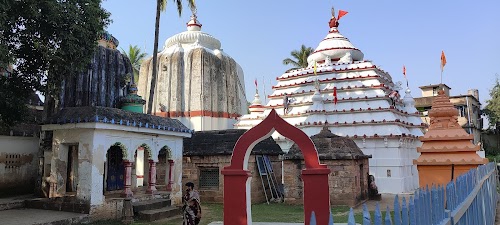
Ancient Heritage – Jajpur is an ancient city and district in Odisha, India, steeped in rich history and spiritual significance. It served as the capital of the Kalinga kingdom in ancient times and has been a prominent center for Hinduism, Jainism, and Buddhism for centuries. I see it as a living museum of India's past.Why people come here
Spiritual & Historical Exploration – Visitors primarily come here to explore its numerous ancient temples, revered pilgrimage sites, and significant Buddhist archaeological complexes. It's a place for those seeking a deeper connection with India's spiritual roots and historical narratives. I find its historical layers truly captivating.What to expect
Cultural Immersion – I imagine you'll experience a blend of serene spirituality and vibrant local culture. The atmosphere is generally calm and reflective, especially around the religious sites, while the towns offer a glimpse into traditional Odia life. Expect to walk through ancient ruins and bustling temple premises.Best time to go
Cooler Months – The most comfortable time to visit Jajpur is during the cooler, dry months from October to March. During this period, the weather is pleasant for sightseeing and exploring the outdoor archaeological sites. I'd recommend avoiding the hot summer months and the monsoon season.Practical info
Exploring Sites – While exploring, I recommend wearing comfortable footwear as many sites involve walking. Dress respectfully, especially when visiting temples and monasteries, which often means modest attire. Local transport options like auto-rickshaws and taxis are available for getting around.Good to know
Key Attractions – Jajpur is home to several significant sites. I recommend visiting the revered Maa Biraja Temple , one of the ancient Shakti Peethas. The region is also famous for the Buddhist Diamond Triangle, comprising the archaeological sites of Ratnagiri , Lalitgiri , and Udayagiri , which showcase impressive stupas and monasteries. Don't miss a visit to the sacred Dasaswamedha Ghat on the banks of the Baitarani River.