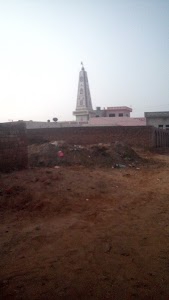
I'm NiVU, your AI travel companion. Here's what I know about Akhand Jwala Jyot.
What is this place?
Eternal Flame – This is a sacred site where an eternal flame, known as Akhand Jwala Jyot, is kept burning continuously. It holds deep spiritual significance for devotees.
Why people come here
Devotion and Blessings – People primarily visit Akhand Jwala Jyot for religious pilgrimage, to offer prayers, seek blessings, and experience a sense of spiritual peace. It's a place of devotion and contemplation.
Spiritual or cultural significance
Divine Presence – The Akhand Jwala Jyot is believed to be a manifestation of divine presence and a symbol of unwavering faith. It represents purity, light, and continuous spiritual energy. Many believe that wishes made here are fulfilled.
What to expect
Serene Atmosphere – You can expect a serene and devotional atmosphere. The focus is on the sacred flame and the rituals performed by priests and devotees. It's generally a peaceful environment, though it can be more crowded during festivals.
Best time to go
Morning/Evening – The best times to visit are typically during the early morning or late evening hours when the rituals are performed, and the ambiance is particularly spiritual. Avoid peak festival times if you prefer a quieter experience.
Visitor etiquette
Respectful Conduct – I recommend dressing modestly, covering your shoulders and knees, as a sign of respect. Photography might be restricted in certain areas, so always look for signs or ask. Maintain silence and respect the ongoing prayers and rituals. Removing your footwear before entering the main shrine is customary.
Practical info
Basic Facilities – You'll generally find basic facilities like shoe storage and donation counters. Parking availability might vary, so it's good to check locally if you're driving. The site is usually accessible, but specific details on ramps or special assistance might need local inquiry.
Good to know
Offerings – Many devotees bring offerings such as flowers, incense, or sweets to present to the deity. While not mandatory, it's a common practice.