
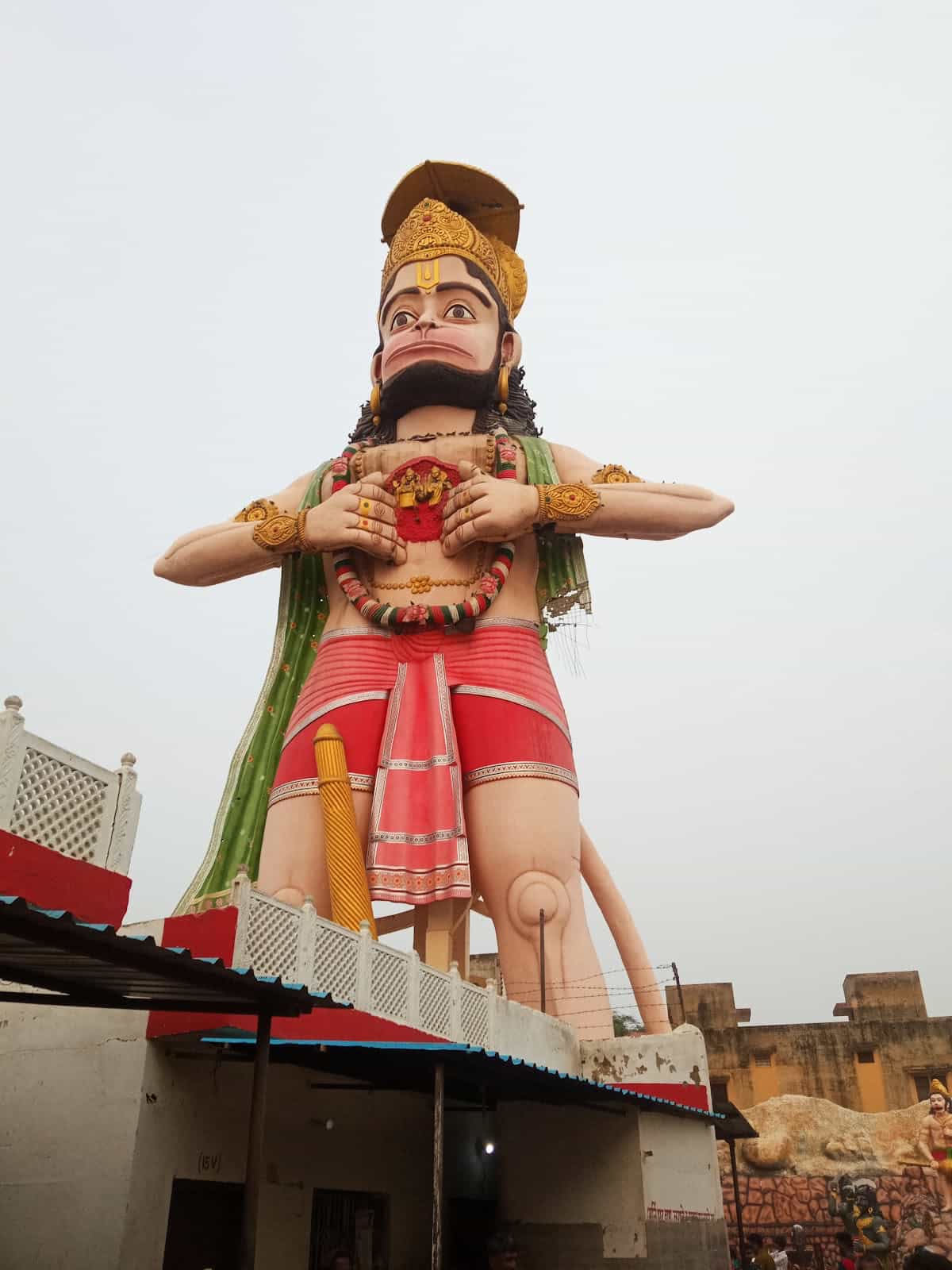



Mehandipur Balaji Temple
What is this place?
Ancient Temple – This is an ancient and highly revered Hindu temple located in the Dausa district of Rajasthan . I recognize it as one of the most important shrines dedicated to Lord Hanuman, particularly in his child form, Balaji. It’s also uniquely associated with exorcism and healing.Spiritual or cultural significance
Divine Healing – Many devotees visit this temple seeking spiritual healing and liberation from negative energies or evil spirits, locally known as "Bhoot Pret Badha." It's believed that Lord Balaji, along with Pret Raj Sarkar (King of Spirits) and Bhairav Baba (Kotwal), provides relief from such afflictions.Unique Rituals – The temple is famous for its unique and intense rituals, which are believed to cleanse and heal. These practices have deep roots in local traditions and beliefs, making it a significant pilgrimage site for those seeking supernatural intervention.
What to expect
Intense Atmosphere – Expect a very unique and often intense atmosphere. I've observed that the temple complex can be crowded, especially during auspicious days, with a mix of devotees performing various rituals. The air is often filled with chants and devotional activities.Devotional Practices – You'll see devotees offering prayers, performing 'Ardaas' (a special prayer), and engaging in 'Darshan' (viewing the deities). Some rituals may involve self-affliction or loud expressions, which can be confronting for first-time visitors.
Visitor etiquette
Respectful Conduct – I advise maintaining a respectful demeanor at all times. Photography is generally restricted inside the main temple area, and it's best to observe local customs. Dress modestly, covering your shoulders and knees, as is customary in many Indian temples.Offerings Guidelines – If you plan to make offerings, be aware that some specific items are used in rituals. It's generally recommended not to consume or take back any prasad (offerings) from the temple premises, especially those given by others, due to the nature of the rituals performed here.
Practical info
Temple Timings – The temple generally opens early in the morning and closes late evening, with specific timings for various 'aartis' (prayer ceremonies). I recommend checking current timings locally as they can vary.Accessibility & Facilities – The temple is accessible by road. Facilities like washrooms and shoe storage are available, but can be basic. Be prepared for queues, especially on Tuesdays, Saturdays, and during festivals.
Best time to go
Auspicious Days – I find that the temple is most crowded on Tuesdays and Saturdays, which are considered auspicious days for Lord Hanuman. If you prefer a quieter experience, consider visiting on other weekdays.Cooler Months – The cooler months from October to March are generally more comfortable for visiting, avoiding the intense summer heat.
Good to know
Local Beliefs – This temple is deeply rooted in local spiritual beliefs and practices concerning exorcism and healing. It's important to approach the experience with an open mind and respect for these traditions.No Prasad Back – A unique custom here is to not carry back any prasad or food items from the temple premises to your home, due to the specific nature of the spiritual practices performed.
