
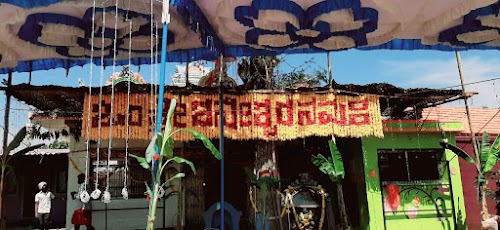



Halebeedu, Karnataka, India
What is this place? – Halebeedu is a historical temple complex in Karnataka, India, renowned for its intricate Hoysala architecture and sculptures. It was once the opulent capital of the Hoysala Empire.
Why people come here – People visit Halebeedu to explore ancient Indian art and history, marvel at the detailed stone carvings, and experience the grandeur of a bygone era. It's a significant site for understanding the architectural prowess of the Hoysala dynasty.
Historical background
Ancient Capital – Halebeedu, historically known as Dorasamudra, served as the royal capital of the Hoysala Empire during the 11th to 14th centuries. Its glory was interrupted by invasions, leading to its current name, which translates to "old city" or "ruined city." Hoysala Architecture – The temples here are prime examples of Hoysala architecture, characterized by their stellate (star-shaped) plans, intricate friezes, and highly detailed sculptures depicting Hindu deities, mythological tales, animals, and daily life.Key highlights
- Hoysaleswara Temple – This is the most prominent temple in Halebeedu. Dedicated to Lord Shiva, it is famous for its twin shrines and the thousands of exquisitely carved figures that adorn its exterior walls, showcasing a remarkable level of artistic skill.
- Kedareshwara Temple – Another significant temple, though smaller, the Kedareshwara Temple also boasts impressive Hoysala craftsmanship with its detailed sculptures and unique architectural style.
- Archaeological Museum – Located near the main temple complex, this museum houses a collection of sculptures and artifacts recovered from the site, offering deeper insights into the region's history and art.
Best time to visit
Cooler Months – The best time to visit Halebeedu is generally during the cooler, dry months from October to March. The weather during this period is pleasant for exploring the outdoor temple complexes.How much time to spend
Half-day Exploration – I recommend spending approximately 3 to 4 hours to thoroughly explore the main temples and the museum, allowing ample time to appreciate the intricate carvings and historical context.Practical info
Footwear and Photography – Visitors are typically asked to remove footwear before entering the temple interiors. Photography is generally permitted in most areas, but it's always good to look for signs or ask if unsure. Accessibility – The temple complexes are generally accessible on foot, with well-maintained paths around the structures. Some areas may involve steps.