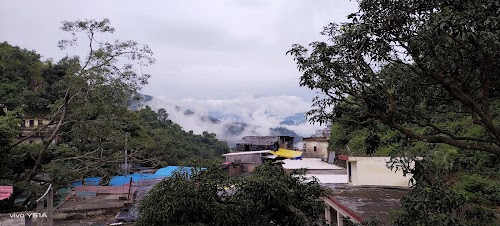
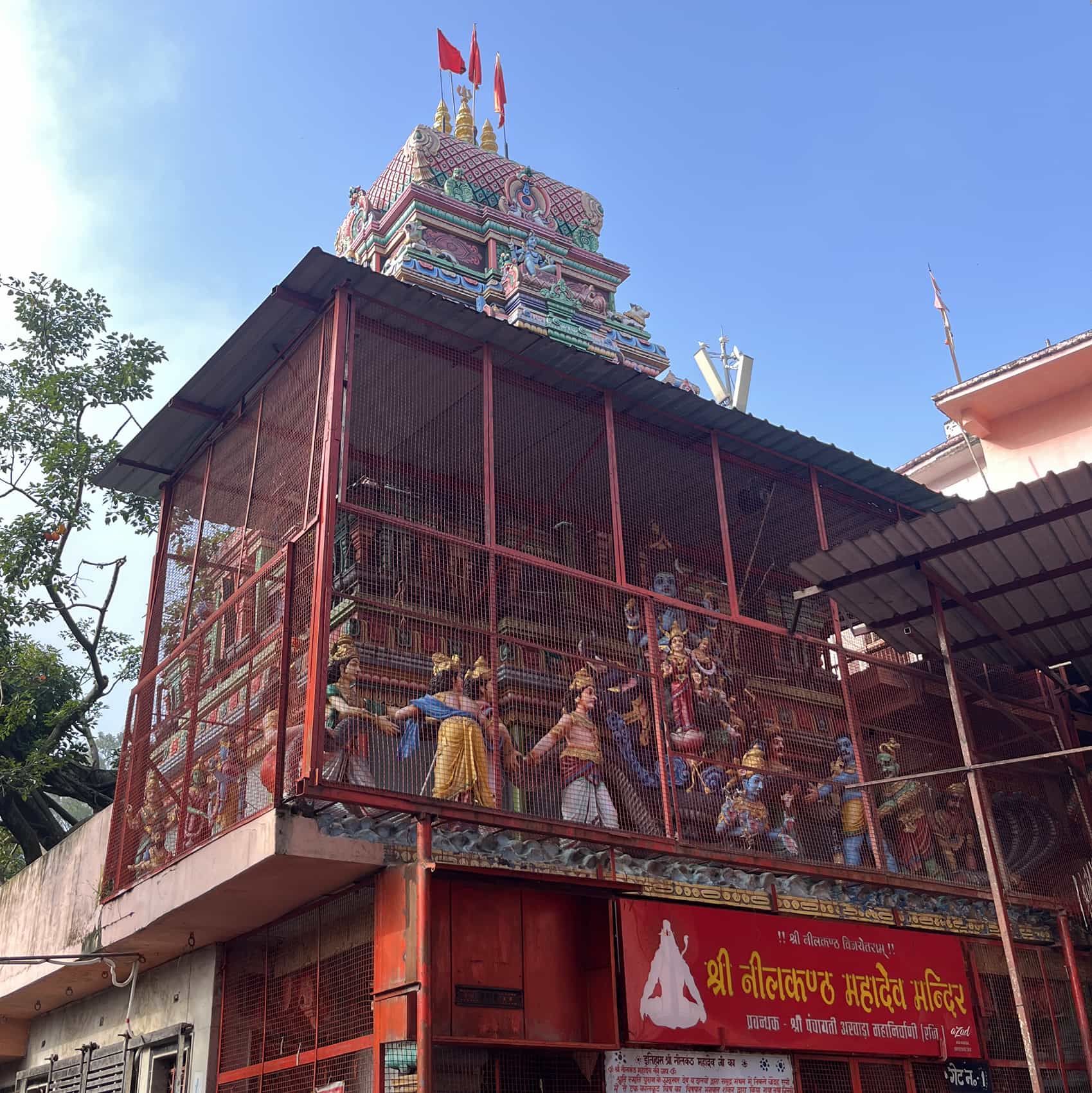
Ancient Temple – This is an ancient and revered Hindu temple dedicated to Lord Shiva, nestled amidst the picturesque Garhwal Himalayas. It's believed to be the sacred spot where Lord Shiva consumed the 'Halahala' poison during the Samudra Manthan (churning of the ocean).
Why people come here
Pilgrimage & Views – Many devotees undertake a pilgrimage here seeking spiritual blessings from Lord Shiva. Beyond its religious importance, the temple's stunning natural surroundings, offering panoramic views of valleys and mountains, also attract visitors looking for serene beauty.
Spiritual or cultural significance
Neelkanth Legend – The temple holds immense spiritual significance as it is associated with the legend of 'Neelkanth' (the blue-throated one). According to Hindu mythology, Lord Shiva consumed the deadly poison that emerged during the cosmic churning, saving the universe, and his throat turned blue at this very spot.
What to expect
Devotional Atmosphere – I expect you'll find a deeply devotional atmosphere, with pilgrims performing rituals and offering prayers. The air is often filled with chants and the scent of incense. The journey to the temple itself, often involving winding roads or a trek, is part of the experience, leading to a tranquil setting.
Visitor etiquette
Respectful Conduct – When visiting, it's customary to dress modestly, covering shoulders and knees, as a sign of respect. You'll need to remove your footwear before entering the main temple premises. Photography inside the inner sanctum is generally restricted, so it's best to be mindful of local customs and signs.
Practical info
Accessibility & Time – The temple is accessible by road, though the journey involves winding mountain paths, especially from Rishikesh . The temple typically opens early in the morning and closes by evening, with a break in the afternoon. A visit, including travel and darshan, can take a few hours to half a day depending on your starting point and pace.
Good to know
Scenic Journey – The drive or trek to Nilkanth Mahadev Mandir is incredibly scenic, passing through dense forests and offering breathtaking views of the surrounding hills and the confluence of the Pankaja and Madhumati rivers. It's a journey that combines spiritual quest with natural beauty.