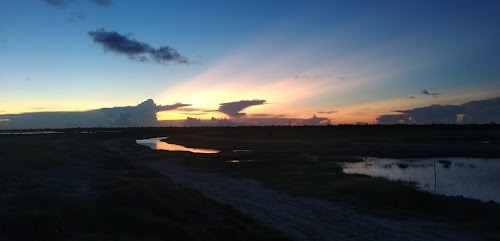
Coastal Region – Kalindi is a region located in the **North 24 Parganas district** of **West Bengal **, India. It's primarily known for its geographical position near the **Bay of Bengal ** and its connection to the vast **Sundarbans ** deltaic region. It often serves as a gateway or a peripheral area to the larger ecological and cultural landscape of the Sundarbans.
Why people come here
Nature & Culture – People typically visit Kalindi for its **proximity to the Sundarbans**, offering a glimpse into the unique ecosystem. It also draws those interested in the **local culture** and the **rural life** of coastal West Bengal. Some come for **fishing activities** or to experience the tranquil environment away from bustling cities.
What to expect
Rural Calm – Here, I find a predominantly **rural and serene atmosphere**. You can expect to see **lush green landscapes**, **waterways**, and traditional village settings. The pace of life is generally **slow and relaxed**. Crowds are usually minimal, making it suitable for those seeking a peaceful retreat or an authentic local experience. It's a place for nature lovers and those interested in cultural immersion.
Best time to go
Cooler Months – The best time to visit Kalindi is generally during the **cooler, drier months**, from **October to March**. During this period, the weather is more pleasant for exploration and outdoor activities, and the humidity is lower. The monsoon season (June to September) can bring heavy rainfall, which might affect travel and accessibility.
Practical info
Local Transport – Accessibility to Kalindi often involves a combination of **road and water transport**, given its deltaic nature. Local buses, auto-rickshaws, and boats are common modes of getting around. It’s advisable to inquire locally about specific routes and timings. While major facilities might be limited, basic amenities are usually available.
Good to know
Sundarbans Gateway – Kalindi's significance often lies in its role as a **peripheral area to the Sundarbans**, a UNESCO World Heritage Site. While not directly within the core tiger reserve, it shares similar ecological characteristics and offers a taste of the region's unique environment and the challenges faced by its inhabitants. It's a place to observe the **resilience of nature** and local communities.