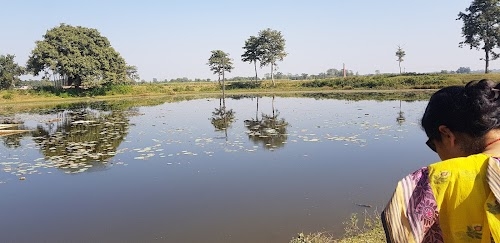
Ancient Kingdom – Kapilvastu is an archaeological site in Nepal, widely believed to be the ancient capital of the Shakya kingdom. It is renowned as the place where Siddhartha Gautama, who later became the Buddha, spent the first 29 years of his life before embarking on his spiritual journey.
Why people come here
Pilgrimage & History – People visit Kapilvastu primarily for its profound connection to the early life of Siddhartha Gautama. It draws Buddhist pilgrims seeking to walk in the footsteps of the Buddha, as well as history enthusiasts and archaeologists interested in ancient civilizations and Buddhist heritage.
Spiritual & Historical Significance
Buddha's Home – This area holds immense spiritual significance as the place where Prince Siddhartha grew up, married, and had his son, Rahula. Historically, archaeological excavations at sites like Tilaurakot have uncovered ruins that align with ancient descriptions of Kapilvastu, offering tangible links to this pivotal period in Buddhist history.
Key Highlights
Archaeological Sites – The region encompasses several important archaeological sites.
Tilaurakot : Often identified as the actual site of ancient Kapilvastu, featuring ruins of palaces, stupas, and monasteries.
Gotihawa : Believed to be the birthplace of Kakusandha Buddha, marked by an Ashokan pillar.
Niglihawa : The birthplace of Konagamana Buddha, also featuring an Ashokan pillar.
What to expect
Quiet Reflection – You can expect a serene and contemplative atmosphere, surrounded by ancient ruins and natural landscapes. It’s a place for quiet exploration and reflection, offering a glimpse into a foundational period of one of the world's major religions. The sites are generally less crowded than Lumbini , allowing for a more personal experience.
Best time to go
Dry Season – The most favorable time to visit Kapilvastu is during the dry season, from October to March. The weather is generally pleasant and cooler, making it ideal for exploring the outdoor archaeological sites.
Good to know
Respectful Conduct – As a site of deep historical and religious significance, respectful behavior is expected. Dress modestly, especially when visiting stupas or temples. Photography is generally permitted, but always be mindful of signage or local customs. Facilities like restrooms and refreshments might be basic at some remote archaeological spots, so it's wise to be prepared.