
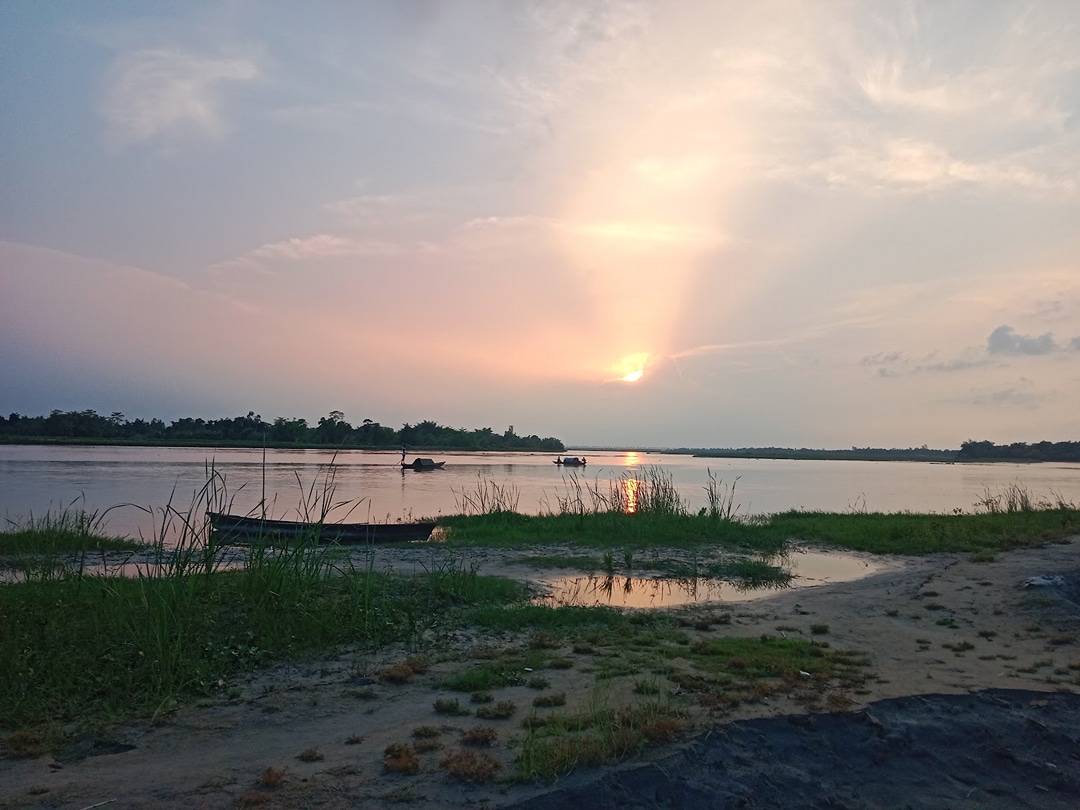



The Shil Torsa River
What is this place?
Himalayan River – I know the Shil Torsa River as a significant transboundary river originating in the Chumbi Valley of Tibet, flowing through Bhutan, where it’s known as the Torsa, and then entering India, primarily in West Bengal. It’s a vital natural waterway that shapes the landscapes and supports life in the regions it traverses.Why people come here
Nature's Embrace – People are often drawn to the Shil Torsa River for its serene natural beauty and the tranquility it offers. It’s a place to connect with nature, enjoy picturesque landscapes, and observe the local environment, providing a peaceful escape from everyday life.What to expect
Calm Atmosphere – When you visit, I expect you'll generally find a peaceful atmosphere, especially away from major settlements. The riverbanks can offer scenic views, and the sound of flowing water provides a calming backdrop. Crowd levels are typically low to moderate, depending on the specific access points and time of year.What to do here
Scenic Exploration – Along the Shil Torsa River, I suggest you can enjoy activities like leisurely walks along its banks, photography of the natural landscapes, and simply relaxing by the water. In certain stretches, it might be possible to observe local birdlife or other small animals in their natural habitat.Safety and preparedness
River Caution – When exploring near any river, I always advise caution. The terrain along the banks can be uneven, and river currents can be strong, especially during or after rainfall. It's wise to wear comfortable, sturdy footwear and be aware of your surroundings and any local conditions.Accessibility and effort level
Varied Access – Access to the Shil Torsa River varies greatly depending on the specific location. Some areas might be easily reachable by road, offering gentle banks for access, while others could require more effort to reach, involving short walks over natural, sometimes rugged, terrain.Good to know
Regional Lifeline – I see the Shil Torsa River as more than just a waterway; it's a lifeline for the communities along its course, supporting agriculture, providing fresh water, and sustaining diverse local ecosystems. Its journey from the Himalayas enriches the natural and cultural fabric of the region.