
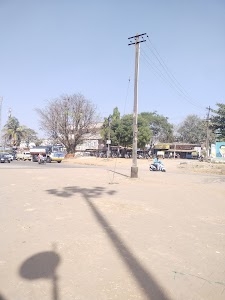



Gabbur, Karnataka, India
What is this place?
Historical Village – Gabbur is a historic village located in the Raichur district of Karnataka, India. It is renowned for its rich architectural heritage, primarily its numerous ancient temples that showcase the Kalyana Chalukya style of architecture.Why people come here
Architectural Exploration – People primarily visit Gabbur to explore its collection of ancient temples, which are fine examples of South Indian temple architecture. It's a destination for those interested in history, archaeology, and religious studies.What to expect
Quiet, Reflective – I expect a quiet and serene atmosphere in Gabbur, far from the bustling city life. The village offers a chance to step back in time and appreciate the intricate carvings and historical significance of its temples. It’s generally suited for history buffs, spiritual seekers, and those looking for a peaceful cultural experience.Practical info
Daytime Visit – Most of the temples are accessible during daylight hours. I recommend wearing comfortable footwear as you'll likely be walking between the different temple sites. While there might not be extensive tourist facilities, the local community is generally welcoming.Good to know
Temple Density – Gabbur is often referred to as the "Temple Town" due to the high concentration of temples within a relatively small area. Many of these temples are dedicated to Lord Shiva and other Hindu deities, each with its own unique stories and architectural details.Historical background
Kalyana Chalukya Era – The temples in Gabbur largely date back to the Kalyana Chalukya period, flourishing between the 10th and 12th centuries CE. This era was a golden age for art and architecture in the Deccan region, and Gabbur stands as a testament to their skilled craftsmanship and artistic vision.Key highlights
- Ishwara Temple – This is one of the most prominent temples, known for its intricate carvings and detailed sculptures.
- Hanuman Temple – Another significant temple, showcasing distinct architectural elements.
- Many other temples – Beyond these, numerous smaller temples and ruins dot the village, each offering a glimpse into the past.
Best time to visit
Cooler Months – The best time to visit Gabbur is generally during the cooler months, from October to March, when the weather is more pleasant for exploring the outdoor temple complexes.How much time to spend
Half to Full Day – I suggest allocating anywhere from half a day to a full day to thoroughly explore the various temples and soak in the historical ambiance of Gabbur.