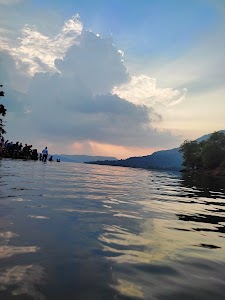
Reservoir and Dam – This is Mulshi Dam, an impressive concrete gravity dam built across the Mula River. It creates the Mulshi Lake, a large reservoir primarily used for irrigation and hydroelectric power generation. It's a significant part of the region's infrastructure.
Why people come here
Nature and Relaxation – People typically visit Mulshi Dam for its scenic beauty and the serene environment it offers. It's a popular spot for those looking to escape city life and enjoy the tranquility of nature, often combined with a drive through the surrounding hills.
What to expect
Scenic Views – You can expect picturesque views of the expansive Mulshi Lake surrounded by lush green hills, especially during and after the monsoon season. The atmosphere is generally calm and refreshing, attracting families, couples, and nature enthusiasts.
Best time to go
Monsoon and Winter – The best time to visit Mulshi Dam is generally during the monsoon season (June to September) when the dam is full and the surrounding landscape is vibrant green. The post-monsoon and winter months (October to March) also offer pleasant weather for a visit.
Practical info
Accessibility – The dam area is generally accessible by road, though the exact viewing points or access to the dam structure itself might have restrictions. It's advisable to check local guidelines regarding entry to specific areas around the dam.
Good to know
Hydroelectric Project – Mulshi Dam is part of the Tata Power Mulshi Hydroelectric Project, one of the oldest hydroelectric power plants in India. The lake formed by the dam is also a source of water for various purposes in the region.