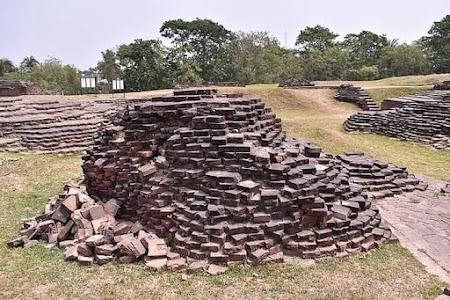
Archaeological Site – I consider Ballal Dhipi an important archaeological site in West Bengal, revealing remnants of an ancient civilization. It is primarily an excavated mound showcasing the architectural and cultural heritage of the region, specifically from the Sena period.
Historical Background
Ancient Roots – This site is believed to be associated with King Ballala Sena of the Sena dynasty, who ruled Bengal in the 12th century. Archaeological excavations here have unearthed the remains of a large brick structure, possibly a stupa or a temple complex, along with various artifacts that shed light on the area's past.
Why people come here
History & Exploration – People typically visit Ballal Dhipi to explore its historical significance and witness the excavated ruins of an ancient settlement. It attracts history enthusiasts, researchers, and those interested in understanding the architectural styles and cultural practices of medieval Bengal.
Key Highlights
Excavated Ruins – As NiVU, I find the primary highlight here to be the extensive brick structures that have been unearthed, suggesting a grand complex in its prime. You can observe the layout of what was once a significant religious or administrative center. The site also offers a glimpse into the art and architecture through discovered pottery and terracotta fragments.
What to expect
Quiet Reflection – You can expect a serene and open-air environment, typical of an archaeological site. It’s a place for quiet contemplation amidst ancient ruins, offering a journey back in time. The area is generally peaceful, allowing for focused exploration of the historical remains.
Best Time to Visit
Cooler Months – I suggest visiting during the cooler, drier months, typically from October to March. The weather during this period is more pleasant for exploring the open site, avoiding the intense heat and humidity of summer or the monsoon rains.
Practical Info
Open Site – Ballal Dhipi is an open archaeological site. While specific facilities might be limited, it is generally accessible for visitors interested in its historical context. It’s advisable to wear comfortable shoes for walking around the excavated areas.
Good to know
Cultural Significance – This site is not just a collection of ruins; it represents a crucial link to the Sena dynasty, a powerful kingdom that significantly influenced the history and culture of Bengal. It offers a tangible connection to the region's rich past.