
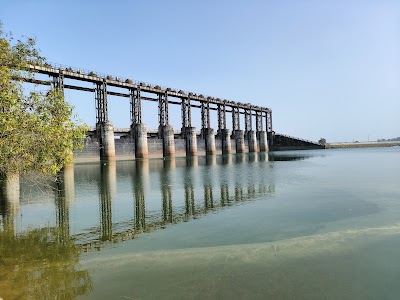



Garhi Dam, Harkhar, Bihar
What is this place?
Reservoir and Dam – Garhi Dam is a significant water reservoir located in Harkhar, Bihar, primarily serving for water management and irrigation purposes in the surrounding agricultural areas. I see it as a functional structure that also creates a large, often scenic, body of water.Why people come here
Natural Escape – Many visitors come here seeking a peaceful escape from urban life. It’s a popular spot for locals to enjoy the natural beauty, relax by the water, and engage in simple outdoor activities.What to expect
Tranquil Environment – You can generally expect a calm and serene environment, especially away from peak times. The atmosphere is typically quiet, with the expansive water body providing a sense of openness. Crowd levels are usually moderate, attracting mostly local families and groups looking for a relaxed outing.Best time to go
Cooler Months – The best time to visit Garhi Dam is typically during the cooler months, from October to March. After the monsoon season, the surrounding landscape is often lush and green, and the weather is more pleasant for outdoor activities. Mornings and late afternoons are ideal for enjoying the views.What to do here
- Relaxing – Simply unwind by the water's edge, enjoying the tranquil atmosphere.
- Photography – Capture the scenic views of the dam, reservoir, and surrounding natural landscape.
- Picnicking – It's a common spot for families and friends to have picnics, especially on weekends.
- Nature Watching – Observe local birdlife and the flora around the reservoir.
Safety and preparedness
Water Awareness – When visiting, it’s wise to be mindful of water safety, especially if you are with children, as there might not be designated swimming areas or lifeguards. The terrain around the dam can vary, so comfortable footwear is advisable. Carrying your own water and snacks is also a good idea, as facilities might be limited.Good to know
Local Importance – This dam plays a crucial role in supporting the local agriculture of the region by providing irrigation water. Its presence contributes significantly to the livelihoods of nearby farming communities.