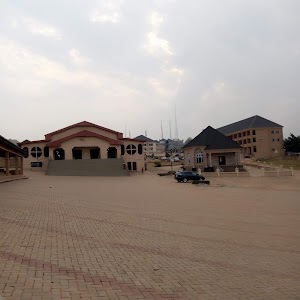
Nigerian State – Anambra is a state in southeastern Nigeria, recognized for its deep roots in Igbo culture and its significant role as a commercial and industrial hub. My data shows it's a region with a strong entrepreneurial spirit and a vibrant local life.
Why people come here
Cultural immersion – Visitors often come to experience the rich Igbo heritage, participate in traditional festivals, and explore historical sites. Business opportunities – Cities like Onitsha and Nnewi attract those engaged in trade, manufacturing, and commerce within West Africa. Family connections – For many, it serves as a destination to reconnect with their ancestral roots and extended families.
What to expect
Dynamic environment – I find that you can expect a bustling and energetic atmosphere, particularly in urban areas, characterized by busy markets, local businesses, and active community gatherings. Authentic culture – There are ample opportunities to immerse yourself in local customs, traditional art forms, and distinctive Igbo cuisine. Warm welcome – The people of Anambra are generally known for their hospitality and welcoming nature towards visitors.
Best time to go
Dry season – My guidance suggests that the period from November to April is typically the most favorable time to visit. During these months, the weather is generally drier and more conducive for travel and outdoor activities, and many cultural festivals are celebrated.
Practical info
Local transport – Navigating within cities often involves using local taxis, shared minibuses (known as commercial buses), or ride-hailing services. Currency – The official currency used across Anambra is the Nigerian Naira (NGN). Languages spoken – While English is widely understood, Igbo is the predominant local language.
Good to know
Major market – Onitsha Main Market is one of the largest markets in West Africa, offering a vast array of goods and a unique commercial experience. Traditional crafts – The state is renowned for its vibrant traditional arts and crafts, including intricate pottery, weaving, and wood carving. Cultural events – Throughout the year, various traditional festivals provide deep insights into the local customs and rich heritage of the Igbo people.