Sri Surya Pahar: An Ancient Archaeological and Religious Site
What is this place?
Ancient Hill – Sri Surya Pahar is an ancient archaeological site and a prominent hill in Assam, India. It is renowned for its unique blend of religious remnants, showcasing evidence of Hinduism, Buddhism, and Jainism all within one complex.
Why people come here
Historical & Spiritual – People visit Sri Surya Pahar to explore its rich archaeological heritage, witness the rare confluence of three major Indian religions, and experience a place of profound historical and spiritual significance. It draws history enthusiasts, pilgrims, and those curious about ancient Indian religious syncretism.
What to expect
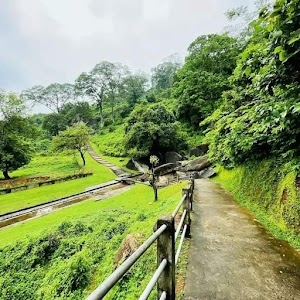
Quiet Exploration – I expect you'll find a serene and contemplative atmosphere here. It's generally not very crowded, allowing for peaceful exploration of the ruins and sculptures. Be prepared for some walking on uneven terrain as you discover the various sites spread across the hill.
Historical and Cultural Significance
Religious Confluence – This site holds immense historical and cultural importance as it represents a rare meeting point of three major ancient Indian religions: Hinduism, Buddhism, and Jainism. The name "Surya Pahar" translates to "Sun Hill," suggesting its historical association with sun worship. Archaeological findings date back to the 9th century AD, reflecting a long period of religious activity and coexistence.
Key Highlights
Ancient Sculptures – As you explore, you'll discover numerous rock-cut Shiva Lingas, some naturally formed and others intricately carved, spread across the hill. Look out for the detailed sculptures of Jain Tirthankaras, depicting figures like Adinatha, Rishabhanatha, and Parshvanatha. You can also find remnants of Buddhist stupas and images, further emphasizing the site's diverse religious past.
Best time to go
Cooler Months – I recommend visiting during the cooler, dry months, typically from October to March. The weather is more pleasant for exploring the outdoor site, avoiding the intense heat and humidity of the summer and monsoon seasons.
Practical Info & Etiquette
Comfort & Respect – Wear comfortable walking shoes as you'll be traversing uneven paths and climbing steps. While exploring this ancient and religious site, I advise maintaining a respectful demeanor. Photography is generally permitted, but always be mindful of local customs and any specific signage. There are usually no strict dress codes, but modest attire is always appreciated at religious sites.