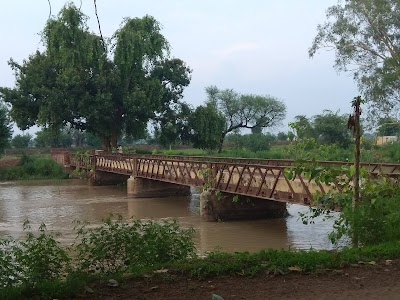
Typical village – I see Ballowal as a village nestled in the heart of Punjab, India. It's primarily an agricultural area, reflecting the rich farming heritage and rural lifestyle that defines much of the region. This is a place where you can observe the rhythms of daily village life.
Why people come here
Rural experience – People often visit Ballowal to experience the authentic rural life of Punjab. It offers a glimpse into traditional farming practices, local customs, and the close-knit community spirit. Some may also come for specific agricultural interests or to visit family and friends residing here.
What to expect
Tranquil and rustic – Expect a peaceful, rustic environment dominated by agricultural fields and village homes. The atmosphere is generally calm, with the sounds of farm activity and local interactions. Crowd levels are typically low, offering a quiet escape from urban bustle. It suits those interested in cultural immersion and understanding local life.
Best time to go
Cooler months – The most comfortable time to visit Ballowal, like much of Punjab, is during the cooler, drier months from October to March. The weather is pleasant for exploring the outdoors and experiencing local festivities. Summers can be very hot, and the monsoon season (July-September) brings humidity and rain.
Practical info
Local travel – Access to Ballowal is generally via local roads. While public transport might connect it to nearby towns, having personal transport or hiring a local taxi is often more convenient for exploring the surrounding areas. Infrastructure is basic, reflecting a rural setting.
Good to know
Agricultural hub – Ballowal is situated in a region known for its agricultural productivity. You might observe various crops being cultivated depending on the season. The area contributes significantly to Punjab's identity as the "food bowl of India." Some specific institutions related to agriculture, such as the Regional Research Station, Ballowal Saunkhri , are located in the broader Ballowal area, highlighting its importance in agricultural research and development.