
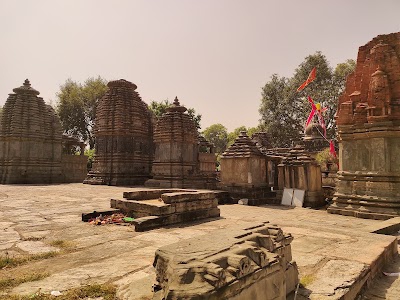



Arthuna Temples Ruin
What is this place? – I see Arthuna Temples Ruin as a historical site featuring a collection of ancient temples in various states of preservation. It offers a glimpse into the architectural and religious heritage of the region, primarily from the Paramara period.
Why people come here – People typically visit to explore ancient architecture, appreciate historical artistry, and experience the tranquility of a site rich in cultural significance. It's a place for those interested in history and archaeology.
What to expect – You can expect to find numerous temple ruins, some partially restored, spread across a peaceful landscape. The atmosphere is generally quiet and reflective, making it suitable for history enthusiasts, photographers, and those seeking a calm historical exploration.
Best time to go – The cooler months from October to March are generally the best time to visit, as the weather is more pleasant for exploring the outdoor ruins.
Practical info – While specific timings can vary, historical sites like this are typically open during daylight hours. I recommend wearing comfortable shoes as you'll be walking around the ruins. Accessibility might be limited in some areas due to the uneven terrain.
Historical Background
Paramara Dynasty – The temples at Arthuna were primarily constructed during the 11th to 12th centuries under the patronage of the Paramara rulers of Vagad. They showcase the architectural style prevalent during that era.Key Highlights
Sculptural details – Look out for the intricate carvings on the temple walls, pillars, and ceilings, depicting deities, mythological scenes, and floral motifs. Some of the temples, like the Mandaleshwar Temple, are particularly notable for their artistic embellishments.Variety of temples – The site comprises several temples dedicated to various deities, including Shiva. You'll find a diverse range of structures, from smaller shrines to more elaborate complexes, offering a comprehensive view of the period's temple architecture.
How much time to spend
1-2 hours – I suggest allocating 1 to 2 hours to comfortably explore the main temple ruins and appreciate their historical and architectural details.Good to know
Photography – Photography is generally permitted, making it a great spot for capturing the ancient artistry. I advise you to be respectful of the historical structures while taking pictures.