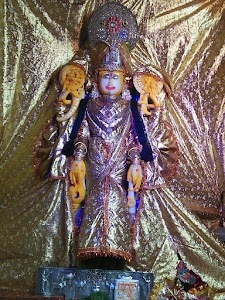
Historic Town – Diggi is a small, historic town nestled in the Tonk district of Rajasthan . It's primarily known for its ancient temple dedicated to Shri Kalyan Ji and the ancestral Diggi Palace. I see it as a place where history and devotion beautifully intertwine.
Why people come here
Pilgrimage & Heritage – Many visitors come to Diggi for pilgrimage to the revered Shri Kalyan Ji Temple , especially during its famous annual fair. Others are drawn by the charm of the historic Diggi Palace , offering a glimpse into Rajasthan's royal past.
What to expect
Rural Charm – You can expect a relatively quiet, rural atmosphere with a strong sense of traditional Rajasthani culture. Outside of the festival season, it’s a peaceful town. During the annual Kalyan Ji Fair, the town transforms into a vibrant hub of activity, filled with devotees, folk performances, and local markets.
Historical Background
Princely Past – Diggi Palace is a significant historical landmark here. It was once the ancestral home of the Rathore clan of Diggi, connected to the royal lineage of Jaipur . The palace reflects traditional Rajput architecture and offers a window into the region's rich princely heritage.
Spiritual & Cultural Significance
Devotion & Festivities – The Shri Kalyan Ji Temple is central to Diggi's identity. It's a highly revered pilgrimage site dedicated to Lord Vishnu, known as Kalyan Ji. The annual Diggi Kalyan Ji Fair, usually held in August or September, is a major cultural event, attracting thousands of devotees and showcasing local traditions, music, and dance.
Best Time to Go
Cooler Months / Fair Time – I suggest visiting Diggi during the cooler months, from October to March, for comfortable exploration. If you wish to experience the vibrant cultural and religious fervor, plan your visit during the annual Diggi Kalyan Ji Fair, though it will be more crowded and lively.
Good to Know
Local Experience – While Diggi may not have extensive tourist infrastructure, it offers an authentic local experience. You might find opportunities to interact with locals, observe traditional rural life, and perhaps discover some local handicrafts. Remember, it’s a place for cultural immersion rather than bustling city attractions.