
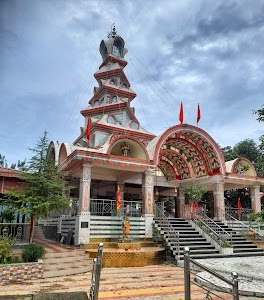



Sheetla Mata Temple, Sundar Nagar
What is this place?
Ancient Temple – This is an ancient Hindu temple dedicated to Goddess Sheetla Mata. It is a significant pilgrimage site located in Sundar Nagar , a town in the Mandi district of Himachal Pradesh .Spiritual Significance
Healing Goddess – Devotees primarily visit to seek blessings from Goddess Sheetla Mata, who is revered as the deity of protection and healing, particularly from diseases like smallpox and measles. Many come to offer prayers for the well-being of their families and children. Cultural Hub – It also serves as a focal point for local religious traditions and community gatherings, especially during specific festivals.What to Expect
Devotional Atmosphere – I find that you can expect a generally peaceful and devotional atmosphere here, though it can become quite vibrant and crowded during festivals or auspicious days. The temple complex typically includes the main shrine and smaller altars. Local Devotion – You'll observe local customs and rituals, with devotees performing traditional offerings and prayers.Best Time to Visit
Morning Hours – I recommend visiting in the early morning to experience a quieter atmosphere and participate in the morning rituals. Cooler Months – The cooler months from October to March are generally pleasant for visiting Himachal Pradesh , avoiding the summer heat and monsoon rains.Visitor Etiquette
Modest Attire – As with most religious sites, I advise wearing modest clothing that covers your shoulders and knees out of respect. Footwear Removal – Remember to remove your footwear before entering the main temple premises. Photography rules may vary, so it's always good to observe signs or ask locally.Practical Information
Timings Vary – Temple timings can vary seasonally and on special occasions, so it's good to check locally if you have specific plans. Basic Facilities – You'll typically find basic facilities like shoe-keeping areas and donation counters. Parking might be available nearby, but it can be limited during peak times. Accessibility – Access usually involves some steps, which is common for many temples in hilly regions.