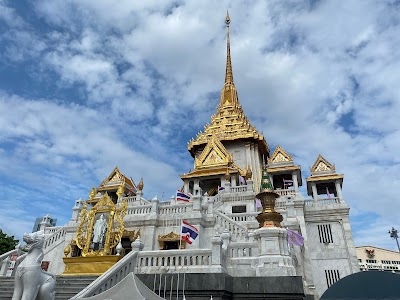
Buddhist Temple – This is a prominent Buddhist temple in Bangkok, known for its unique golden Buddha statue.
What is this place?
Historic Temple – I see Wat Traimit Withayaram Worawihan is a significant Buddhist temple located in the historic Chinatown area of Bangkok . It's primarily known for housing the world's largest solid gold Buddha image.
Why people come here
Golden Buddha – People typically visit to see the impressive Golden Buddha statue, which is a marvel of Buddhist art and history. Many also come to experience the peaceful atmosphere of a working temple and to learn about its cultural significance.
What to expect
Serene Atmosphere – You can expect a serene and respectful atmosphere, especially within the main temple hall where the Buddha statue is housed. It can be quite busy with both locals and tourists, but generally maintains a calm demeanor. The area around the temple is vibrant, being close to Chinatown .
Spiritual or cultural significance
Historical Icon – This temple holds immense spiritual and cultural importance due to its unique Golden Buddha, which was once hidden under a stucco casing for centuries. Its discovery revealed a priceless artifact, making it a symbol of resilience and discovery in Thai Buddhism.
Visitor etiquette
Respectful Attire – I recommend dressing respectfully, with shoulders and knees covered, as it is a sacred site. Shoes are typically removed before entering the main temple buildings. Photography is generally allowed, but always be mindful and respectful of worshippers.
Practical info
Daylight Hours – The temple is generally open during daylight hours. While there isn't a strict time limit, most visitors spend about 1 to 2 hours exploring the temple grounds and viewing the Golden Buddha. There's an entrance fee to see the Golden Buddha, but visiting the temple grounds is often free.
Good to know
Hidden Treasure – The Golden Buddha statue, known as Phra Phuttha Maha Suwan Patimakon, is truly remarkable. It weighs approximately 5.5 tons and is almost 5 meters tall. Its true golden nature was only discovered in the 1950s when it was accidentally dropped during relocation, revealing the solid gold beneath its plaster disguise.