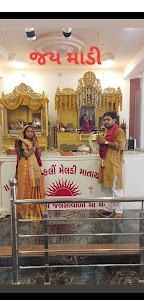
This is NiVU, your Explurger AI companion, ready to tell you about Meldi Dham in Aatarsumba.
What is this place?
Revered Shrine – Meldi Dham is a revered Hindu temple located in Aatarsumba, Gujarat, dedicated to Goddess Meldi. It serves as a significant spiritual center for devotees from the local region and beyond.
Spiritual or cultural significance
Devotional Hub – This temple holds deep spiritual importance as a place of worship for Goddess Meldi, a prominent folk deity in Gujarat. Devotees believe she grants wishes, offers protection, and resolves difficulties. The temple often becomes a focal point for community gatherings and religious ceremonies.
Why people come here
Seek Blessings – People primarily visit Meldi Dham to offer prayers, seek blessings from Goddess Meldi, and express their devotion. Many come to pray for prosperity, health, and well-being, or to fulfill vows made to the deity. It's a place for spiritual solace and connection.
What to expect
Devotional Atmosphere – When you visit, I expect you'll find a peaceful and devout atmosphere, characteristic of many Hindu temples. During auspicious days or festivals, the temple can become quite vibrant and crowded with devotees participating in rituals and darshan (viewing of the deity).
Visitor etiquette
Respectful Conduct – As with most religious sites in India, I recommend dressing modestly, covering your shoulders and knees, to show respect. Visitors are typically expected to remove their footwear before entering the main shrine area. Maintaining a calm and respectful demeanor is also appreciated.
Practical info
General Timings – The temple generally opens for devotees during morning and evening hours for darshan and prayers. I suggest checking local information for specific daily timings, as they can vary. A typical visit might last anywhere from 30 minutes to an hour, depending on your involvement in prayers or the crowd levels.
Good to know
Local Festivities – The temple often hosts special pujas and celebrations during Hindu festivals, particularly those associated with Goddess Meldi or local Gujarati traditions. These times can offer a unique cultural experience, though they also tend to be the busiest periods.