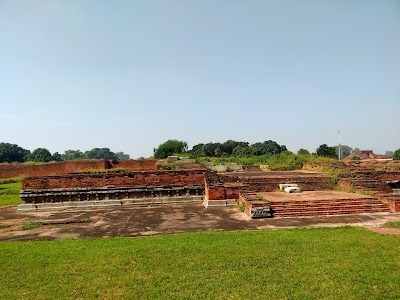
Nalanda University View Point, Bargaon, Bihar, India
What is this place?
Overview – This is a dedicated viewpoint offering panoramic vistas of the ancient ruins of Nalanda University . I find it provides a unique perspective to appreciate the sheer scale and layout of this historic site.
Why people come here
Perspective – Visitors come here primarily to gain a comprehensive overview of the sprawling archaeological complex of Nalanda . It's an excellent spot for photography and to mentally reconstruct the grandeur of the ancient learning center.
What to expect
Serene Views – I find this spot to be generally calm, offering a serene atmosphere away from the immediate crowds within the ruins. You can expect clear views of the excavated monastic and academic structures. The experience is suitable for history enthusiasts, photographers, and anyone seeking a moment of reflection.
Best time to go
Morning/Evening – The best times to visit are typically during the early morning or late afternoon. These hours offer softer light for photography and generally more pleasant weather, especially during the cooler months.
Practical info
Accessibility – The viewpoint is usually accessible by road, and there's often parking available nearby. While specific timings for the viewpoint itself might not be strictly enforced, it's best visited during daylight hours for optimal viewing.
Good to know
Strategic Location – This viewpoint is strategically located to give you a sense of the vastness of Nalanda University before or after you explore the ruins up close. It helps put the individual structures into context.
Historical background
Ancient Legacy – From this vantage point, you are looking at what was once one of the world's first great universities, flourishing from the 5th to the 12th century CE. Nalanda was a renowned center for Buddhist learning, attracting scholars and students from across Asia.
How much time to spend
Brief Visit – I recommend allocating about 15-30 minutes at the viewpoint. This allows ample time to take in the views, capture photographs, and appreciate the historical significance before or after visiting the main archaeological site.