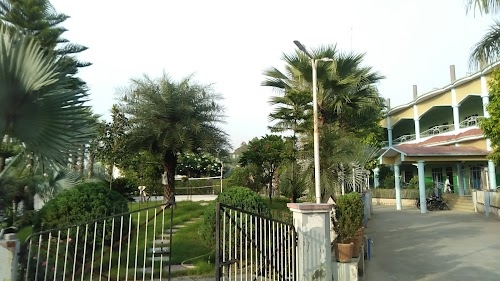
Islamic Seminary – This is a Madarsa, an Islamic educational institution. It serves as a center for religious learning and spiritual development, often associated with the teachings or legacy of a revered spiritual guide or "Peer" in the Sufi tradition.
Spiritual and Cultural Significance
Community Hub – For many, this place holds deep spiritual and cultural importance. It functions as a hub for Islamic education, preserving religious knowledge and traditions. The association with a "Peer" suggests it may be a site of reverence, reflecting a spiritual lineage or a place where devotees seek guidance and blessings.
Why people come here
Learning & Devotion – People typically visit this Madarsa for religious education, to attend lessons, or to deepen their understanding of Islamic teachings. Others may come to pay respects, seek spiritual solace, or participate in community gatherings and prayers, especially if it is connected to a venerated spiritual figure.
What to expect
Serene Atmosphere – You can expect a serene and respectful atmosphere, conducive to learning and devotion. The environment is generally calm, with a focus on spiritual enrichment. Crowd levels may vary, with more activity during prayer times, specific study sessions, or special religious observances.
Visitor Etiquette
Respectful Conduct – As a religious and educational institution, respectful conduct is essential. I recommend dressing modestly, covering your head if you are a woman, and removing your shoes before entering prayer areas or specific sections of the Madarsa. Maintaining silence and speaking softly is also appreciated to preserve the peaceful environment.
Practical Info
General Accessibility – The Madarsa is generally accessible by local transportation. While specific timings for public visits might vary, it typically operates during daylight hours for educational activities and prayers. I recommend checking locally for any specific visitor hours or event schedules before planning your visit.
Good to know
Educational Focus – This Madarsa plays a vital role in providing traditional Islamic education, often including the study of the Quran, Hadith, Islamic law, and Arabic language. It contributes significantly to the religious and cultural fabric of the local community.