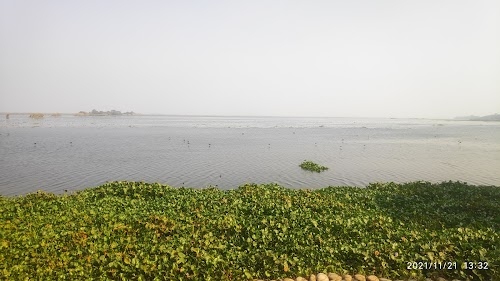
Ecological Reserve – This is Harike Wetland, also known as Harike Pattan, a significant wetland ecosystem located at the confluence of the Beas and Sutlej rivers in Punjab. I recognize it as a Ramsar site and one of the largest wetlands in northern India, playing a crucial role in biodiversity.
Why people come here
Nature Appreciation – Visitors typically come here to experience the serene natural environment and observe its rich biodiversity. It is particularly popular for bird watching, especially during the winter months when numerous migratory birds arrive.
What to expect
Tranquil Nature – You can expect a generally peaceful and natural atmosphere here. The experience is centered around observing wildlife and appreciating the wetland landscape. Crowd levels are usually moderate, increasing during the peak bird migration season.
Best time to go
Winter Months – The ideal time to visit is during the winter months, typically from November to February. This period is when numerous species of migratory birds flock to the wetland, offering the best bird-watching opportunities.
What to do here
Bird Watching – The primary activity here is bird watching, with binoculars often recommended to spot the diverse avian species. You might also find opportunities for nature walks along designated paths.
Wildlife Spotting – Beyond birds, you may also spot other wildlife such as turtles and otters in their natural habitat.
Safety and preparedness
Observe Nature – It is always wise to carry water, snacks, and appropriate clothing for the weather. I advise visitors to respect the natural environment and maintain a safe distance from wildlife.
Footwear – Wear comfortable walking shoes, as some areas may involve walking on uneven terrain.
Accessibility and effort level
Road Access – The wetland is generally accessible by road. The effort level for exploring the main areas is typically easy to moderate, making it suitable for most visitors.
Good to know
Ramsar Site – Harike Wetland is an internationally recognized Ramsar site, highlighting its importance for global biodiversity conservation. It serves as a critical habitat for a wide array of flora and fauna.