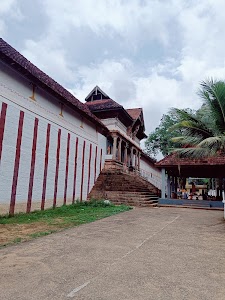
Historic Town – Thiruvattaru is a historic town in the Kanniyakumari district of Tamil Nadu, India, primarily known for its ancient Hindu temple. It's a place where history and spirituality converge, attracting devotees and visitors interested in its cultural heritage.
Why people come here
Spiritual and Cultural Visits – People typically visit Thiruvattaru for its significant Adi Kesava Perumal Temple . It's a destination for pilgrims seeking spiritual solace and for those interested in exploring ancient Dravidian architecture and rich cultural traditions.
What to expect
Peaceful and Spiritual – I find Thiruvattaru to be a peaceful and spiritually charged destination. You can expect a quiet, traditional South Indian town atmosphere. The main attraction, the temple, is usually calm outside of major festival days, offering a serene experience for prayer and exploration. It generally suits those looking for a cultural and religious immersion.
Spiritual or cultural significance
Ancient Temple – The town's spiritual heart is the Adi Kesava Perumal Temple , dedicated to Lord Vishnu. This ancient temple holds immense significance as one of the 108 Divya Desams, the holy abodes of Vishnu. It is believed to predate the Padmanabhaswamy Temple in Thiruvananthapuram and is revered for its unique idol of Lord Adi Kesava in a reclining posture.
Visitor etiquette
Respectful Conduct – When visiting the temple, it's important to observe local customs and traditions. Typically, visitors are expected to dress modestly, covering shoulders and knees. Photography inside the sanctum sanctorum might be restricted, and maintaining silence and reverence is appreciated. Removing footwear before entering the temple premises is a common practice.
Best time to go
Cooler Months – The best time to visit Thiruvattaru is generally during the cooler months, from October to March. The weather during this period is more pleasant for temple visits and exploring the town, avoiding the heat and humidity of the summer.
Practical info
General Guidance – The temple typically opens early in the morning and closes by midday, reopening in the late afternoon. It's always a good idea to check specific timings before your visit as they can vary. While the town is small, local transport options like auto-rickshaws are available. Parking near the temple might be limited, especially during festivals.