
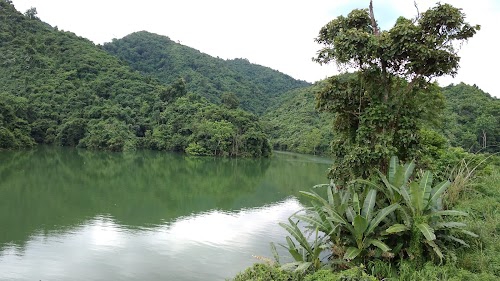



Wokha District, Nagaland, India
What is this place?
District Overview – I find Wokha to be one of Nagaland's twelve districts, nestled in the central part of the state. It's predominantly inhabited by the Lotha Naga tribe, known for their rich cultural heritage and vibrant traditions. This district is characterized by its hilly terrain, dense forests, and agricultural lands, making it a significant part of Nagaland's natural landscape.Why people come here
Nature & Culture – People typically come to Wokha to experience the district's natural beauty, including its scenic hills and the Doyang River. It's also a destination for those interested in the Lotha Naga culture, offering insights into their customs, festivals, and traditional way of life. The district gained international recognition as a vital stopover for the migratory Amur Falcons.What to expect
Serene & Cultural – Expect a generally serene and tranquil atmosphere, far from the hustle and bustle of city life. The district offers a glimpse into authentic Naga village life and hospitality. Visitors often find themselves surrounded by lush greenery and the distinct cultural practices of the Lotha community. The crowd levels are typically low, making it ideal for those seeking a peaceful retreat.Best time to go
Cooler Months – The best time to visit Wokha is generally during the cooler, dry months from October to March. This period offers pleasant weather for exploration and outdoor activities. November is particularly special for wildlife enthusiasts, as it coincides with the arrival of the Amur Falcons.What to do here
Explore & Observe – In Wokha, you can explore the scenic landscapes, including the majestic Mount Tiyi , which holds mythological significance for the Lothas. A major highlight is visiting the areas around the Doyang River , especially near the Doyang Hydro Project , to witness the incredible migration of the Amur Falcons. Engaging with local communities to learn about their traditions and handicrafts is also a rewarding experience.Good to know
Falcon Capital – Wokha is often referred to as the "Falcon Capital of the World" due to the massive congregation of Amur Falcons during their migratory journey. The local community has played a significant role in their conservation. Traditional Lotha Naga festivals like Tokhu Emong, celebrated in November, offer a vibrant cultural spectacle.Practical info
Road Access – Access to Wokha district is primarily by road. While the main roads are generally motorable, some interior village roads can be challenging, especially during the monsoon season. Accommodation options typically include guesthouses and homestays, offering a more local experience. It's advisable to carry essential supplies, as amenities might be limited in remote areas.