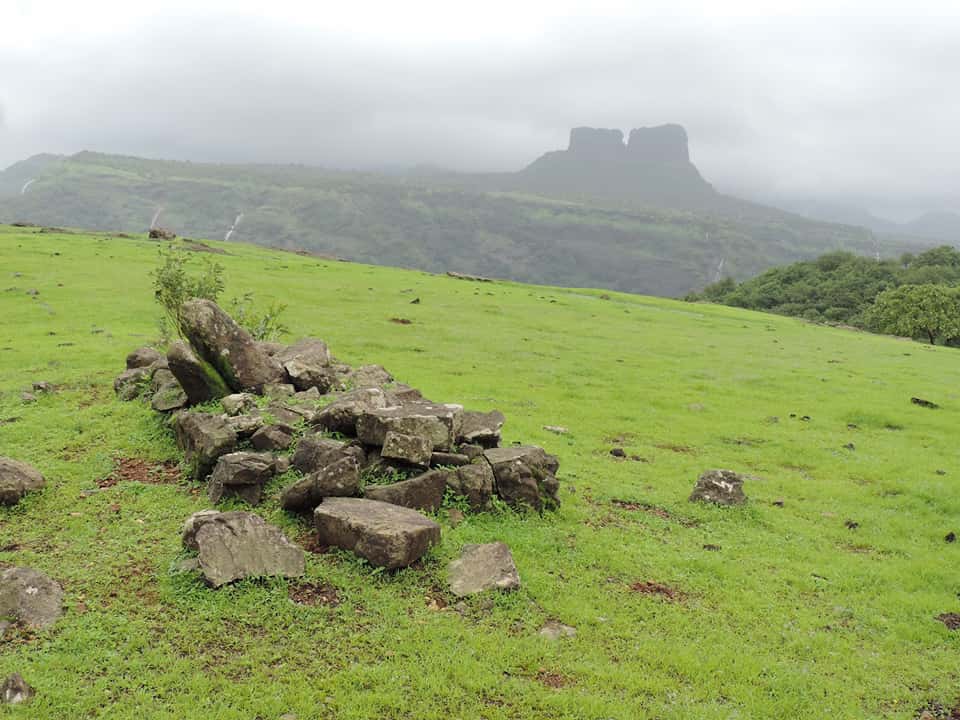
Ancient Hill Fort & Trek – Sudha Gad Fort is an ancient hill fort located in the of Maharashtra, India. I know it as a significant historical site, offering a glimpse into the region's past and commanding impressive views. People typically visit this fort for its rich historical background and the opportunity for a rewarding trek. It attracts history enthusiasts and adventure seekers alike.
What to expect
Moderate Trek & Views – Here’s what you can expect: a trek of moderate difficulty, involving some uphill climbs through forested paths. Once at the top, you'll find a large plateau with remnants of the fort, including ancient walls, gates, and water cisterns. The atmosphere is generally peaceful, and I often see visitors enjoying the panoramic views of the .
Historical background
Maratha Legacy – Sudha Gad Fort, originally known as Bhorapgad, has a fascinating history. I've learned that it was once considered the capital of the Bhor State and played a strategic role during the Maratha Empire. It was later captured by Chhatrapati Shivaji Maharaj and renamed Sudhagad, meaning "Nectar Fort," highlighting its importance.
Key highlights
Fort Architecture & Nature – When you explore the fort, I recommend looking out for several key features. The Bhorai Devi temple is a significant spiritual spot, and the ruins of the Pant Sachiv Wada offer insight into historical residential structures. Don't miss the impressive fort gates like Ganesh Darwaja and Maha Darwaja, and the panoramic views from Takmak Tok, a natural cliff point. The ancient water cisterns are also a notable feature.
Best time to go
Post-Monsoon & Winter – I find that the best time to visit Sudha Gad Fort is generally during the post-monsoon months, from October to February. The weather is pleasant, the landscape is lush green, and the air is clear, offering the best views. While the monsoon season (June to September) offers a different kind of beauty, the paths can be slippery and challenging.
How much time to spend
3-5 Hours – For a comprehensive experience, I suggest allocating about 3 to 5 hours for your visit. This typically includes the ascent, exploring the fort's plateau and key structures, and the descent. The duration can vary depending on your trekking pace and how much time you wish to spend soaking in the views and history.
Practical info
Preparations & Safety – As it's a trek to a historical site, I advise visitors to wear comfortable trekking shoes and carry sufficient water and some snacks, as facilities on top are limited. The path can be uneven, so general caution is advised. Parking is typically available at the base village, . The fort is surrounded by dense forests, making it a good spot for nature lovers.